Understanding TradingView: Key Features and Benefits
In the dynamic world of financial markets, having the right tools can significantly enhance a trader's ability to analyze assets and execute trades efficiently. TradingView stands out as a leading platform, offering an array of tools designed for stock, forex, cryptocurrency, and derivatives trading. This article will delve into the various features and advantages of TradingView, illustrating how it simplifies the complexities of market analysis for traders of all levels.
What is TradingView?
TradingView is a comprehensive financial charting and analysis platform that caters to traders and investors across various asset classes. With its user-friendly interface and robust features, it allows users to visualize market data, conduct technical analysis, and share insights with a global community of traders. Since its inception, TradingView has gained immense popularity due to its browser-based functionality, making it accessible from any device without the need for software installation. This accessibility is complemented by its powerful charting capabilities, social networking features, and a vast library of user-generated scripts and strategies.
Core Features Overview
At the heart of TradingView's offerings are its advanced charting tools. Users can choose from multiple layouts, customize indicators, and apply technical analysis tools such as trend lines and Fibonacci retracements. Additionally, TradingView supports multiple timeframes, allowing traders to analyze data from various perspectives. One of the standout features is the ability to receive real-time alerts based on price movements or indicator conditions, ensuring that users never miss critical trading opportunities.
Benefits for Different Asset Classes
TradingView provides a unified search interface for multiple asset classes, including stocks, forex, cryptocurrencies, and various derivatives. This multifunctionality means that traders can analyze diverse financial instruments without switching platforms. Furthermore, its screening tools enable users to filter assets by market capitalization, performance metrics, and technical indicators, enhancing their ability to identify potential trading opportunities.
Setting Up Your TradingView Workspace
Choosing the Right Layouts
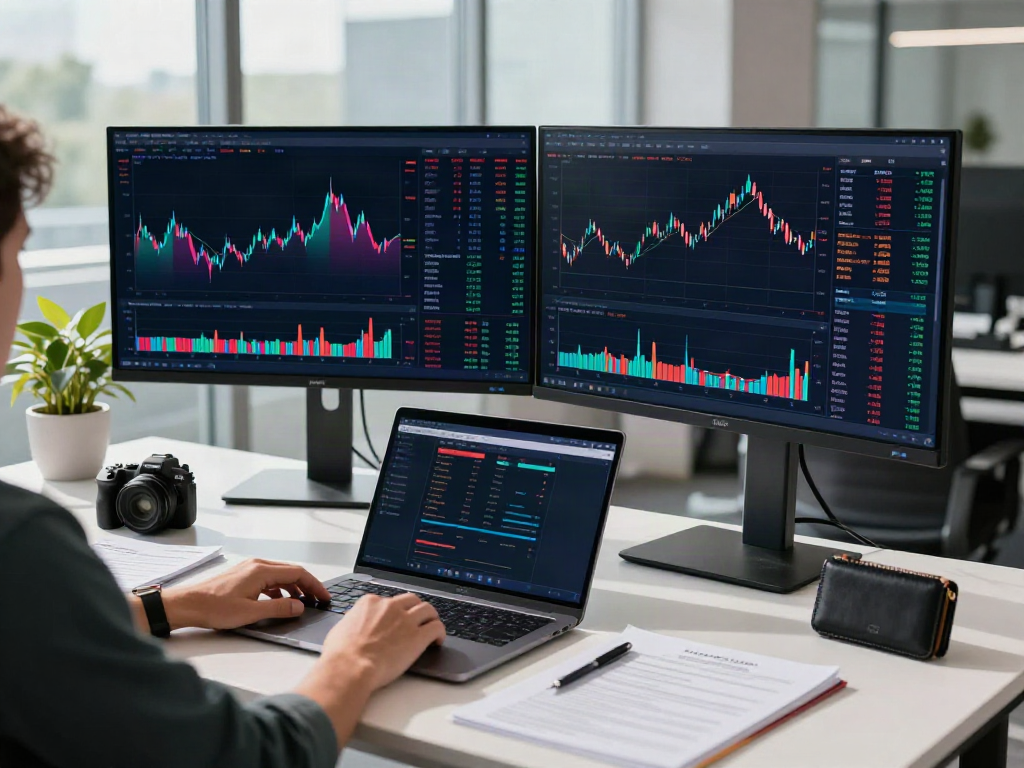
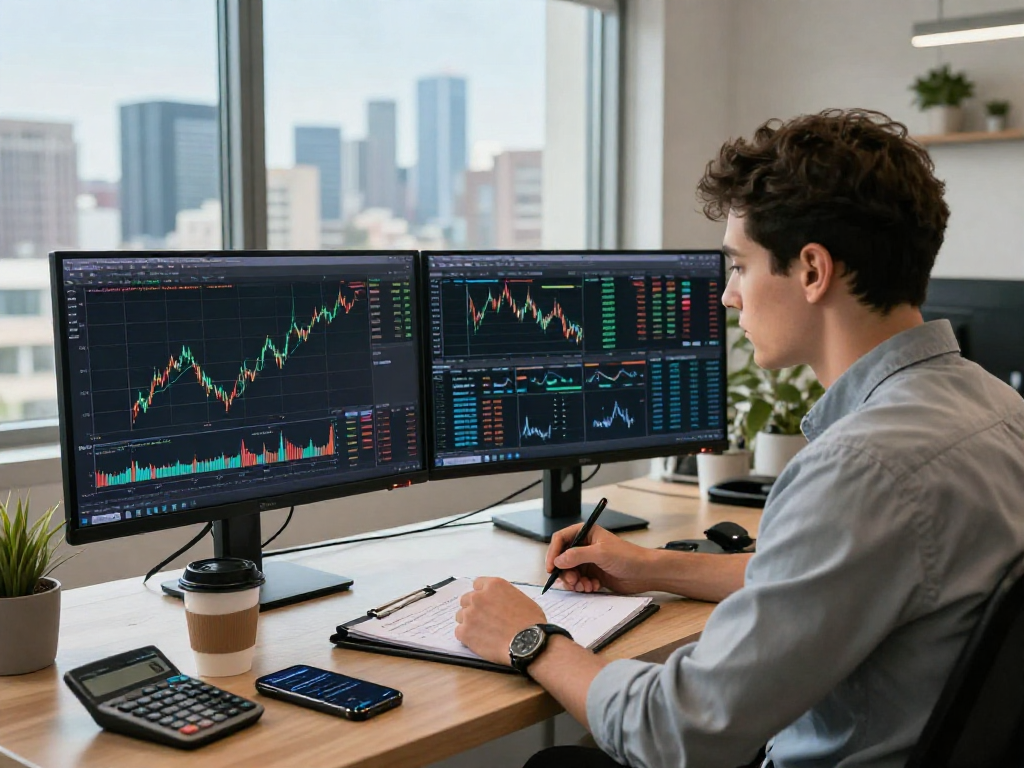
The first step to maximizing your TradingView experience is setting up a workspace that suits your trading style. The platform offers various layouts that can be customized to feature multiple charts simultaneously. This is particularly useful for traders who want to monitor different assets or timeframes at once. By utilizing the available multi-layout functionality, you can create a workspace that reflects your strategic approach, whether you are a day trader or a long-term investor.
Integrating Custom Indicators
One of TradingView's major strengths lies in its ability to support custom indicators through Pine Script, its proprietary scripting language. Traders can create, modify, or use public scripts shared by other users to enhance their analysis. This flexibility allows traders to tailor indicators to their specific strategies, whether they require basic moving averages or complex algorithms for more sophisticated analyses.
Optimizing Your Trading Environment
To make the most out of TradingView, optimizing your trading environment is essential. Begin by configuring your alerts for significant market events or price movements. Customize chart colors and layouts to improve visual clarity. Employ the social features to connect with other traders, gaining insights and sharing strategies within the community. This collaborative aspect not only enriches your learning curve but also enhances your trading decisions through shared knowledge.
Developing Effective Trading Strategies
Utilizing Charts and Technical Analysis
Technical analysis is a critical component of trading, and TradingView provides traders with all the necessary tools to utilize charts effectively. By applying various indicators, such as RSI, MACD, and Bollinger Bands, traders can analyze market trends and make informed decisions. The platform also allows for the overlaying of different indicators, enabling users to see how various analyses can complement one another to strengthen their trading strategies.
Backtesting Strategies with TradingView
Backtesting is crucial for validating trading strategies before applying them in live markets. TradingView’s Strategy Tester allows users to simulate trades using historical data to assess the viability of their strategies. By reviewing the performance metrics, traders can refine their approaches to maximize potential returns and minimize losses. This data-driven analysis empowers traders to develop strategies based on historical performance rather than intuition alone.
Using Pine Script for Custom Alerts
Pine Script is a powerful tool within TradingView that enables users to define their own alerts and indicators. By coding alert conditions, traders can automate notifications based on their unique trading strategies. This feature is particularly advantageous in fast-moving markets where timely information is crucial. Leveraging custom alerts allows traders to execute their plans without continuously monitoring the charts, freeing up time for further analysis or other activities.
Community Insights and Social Trading
Engaging with the Trading Community
TradingView's community features facilitate engagement among traders, allowing them to share insights, strategies, and analytical perspectives. By participating in discussions, traders can gain access to diverse viewpoints and enhance their trading acumen. The platform also supports a marketplace for trading ideas, where users can publish their analyses and trade setups, promoting peer feedback and collaboration.
Learning from Shared Strategies
One of the most significant advantages of TradingView is the ability to learn from other traders. By exploring the public scripts shared within the community, users can discover effective strategies that may have worked for others. This shared knowledge base fosters a culture of continuous learning, where traders can adapt successful techniques to fit their styles. The ability to backtest these shared strategies further enhances their practical application.
Leveraging Social Features for Better Insights
Social trading features, such as following other traders and viewing their activity, provide valuable insights into market sentiment and potential trading opportunities. By observing the charts and trades of seasoned traders, users can gain inspiration and refine their strategies based on real-world applications. This interactive approach to trading fosters a sense of community, making the trading experience more enjoyable and enriching.
Future Trends in Trading Technology
Predictions for 2026 and Beyond
The landscape of trading technology is continuously evolving, with several trends poised to shape its future. By 2026, we can expect advancements in artificial intelligence and machine learning to play a more crucial role in trading analysis. Automated trading systems are likely to become even more sophisticated, providing traders with increased precision and speed in executing trades.
Evolution of Trading Tools and Platforms
The future will also see a convergence of various trading tools into cohesive platforms like TradingView, breaking down the barriers between different financial instruments. Enhanced integration across markets will facilitate data analysis and trading decisions, creating a seamless experience for users who wish to operate across multiple asset classes more efficiently.
Preparing for Regulatory Changes in Trading
As technology evolves, so will regulatory frameworks governing trading practices. Traders in 2026 will need to stay informed and adapt to these changes, ensuring compliance while maximizing their trading strategies. Understanding the regulatory landscape will be critical for successfully navigating the complexities of trading and ensuring long-term profitability.
How to Stay Ahead in Trading?
Staying ahead in the trading arena will require a commitment to continuous education and adaptation. Traders should actively engage with community insights, hone their technical skills, and leverage innovative tools like TradingView to maintain a competitive edge. Building a robust trading plan, incorporating backtesting and analysis, and staying informed about market trends will collectively enhance a trader's ability to capitalize on opportunities as they arise.