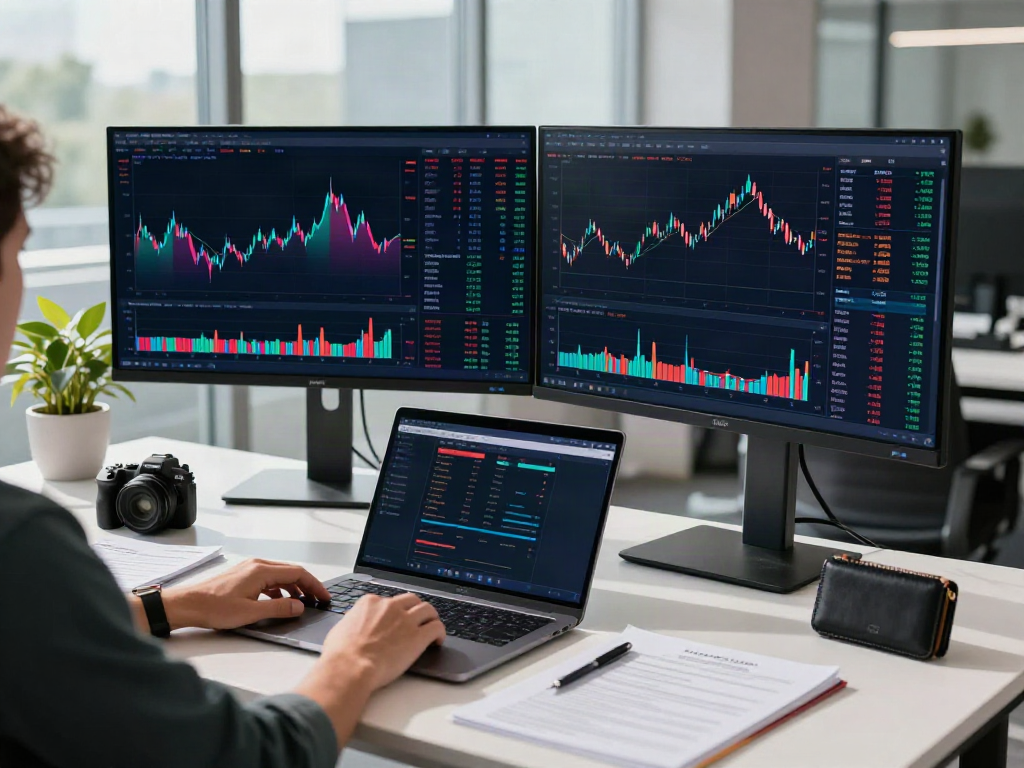
Understanding Level 2 Market Data
In the evolving world of blockchain and cryptocurrency trading, having access to the right market data is crucial for informed decision-making. This is particularly true for Level 2 market data, which provides deeper insights compared to its Level 1 counterpart. Understanding these distinctions empowers traders to enhance their strategies and respond more effectively to market dynamics. When exploring options, Level2行情 offers comprehensive insights that can transform trading approaches, especially for active participants in decentralized finance (DeFi).
What is Level2行情?
Level 2 market data represents the order book's depth, providing a detailed view of buy and sell orders at various price levels. Unlike Level 1 data, which only gives the best (highest bid and lowest ask) prices, Level 2 data showcases multiple price levels and the corresponding order sizes for each level. This depth of information is invaluable for traders who require a nuanced understanding of market dynamics, allowing them to gauge supply and demand more accurately.
How to Interpret Level 2 Data?
Interpreting Level 2 market data involves understanding the layers of buy and sell orders. Each price point on the order book represents:
- Bid Prices: The maximum prices buyers are willing to pay for an asset.
- Ask Prices: The minimum prices sellers are willing to accept.
- Order Sizes: The amount of asset available at each price level, which indicates market depth.
This information is crucial during trading, especially in volatile markets, as it helps traders to assess whether to enter or exit a position based on fluctuations in order volume and pricing. By analyzing this data, traders can identify potential resistance and support levels, enabling more strategic entries and exits.
Differences Between Level 1, Level 2, and Level 3
The distinctions between Level 1, Level 2, and Level 3 market data are foundational for effective trading strategies:
- Level 1 Data: Consists of the best bid and ask prices and is sufficient for basic trading needs like holding stocks or monitoring price changes.
- Level 2 Data: Provides a comprehensive view of the order book, including multiple bid and ask levels, which is essential for active trading, especially day traders.
- Level 3 Data: Offers complete visibility into the order book and allows traders to see individual orders. It is primarily used by institutional traders and market makers to manage liquidity and execute large trades without causing significant price changes.
Benefits of Utilizing Level 2 Data
Why Day Traders Need Level2行情
For day traders, Level 2 data is critical. It not only shows the best prices but also the depth of the market, which can lead to improved decision-making. The ability to see underlying orders helps traders gauge market momentum and identify possible entry and exit points.
Improving Trading Strategies with Depth of Market Data
Incorporating Level 2 data into trading strategies can significantly enhance a trader's performance. The additional context provided by seeing how many orders exist at each price point allows for better risk management. For instance, if substantial orders are clustered around a specific price level, traders might anticipate price movements in response to those orders being filled, offering opportunities for profit.
Enhanced Insights for Institutional Investors
Institutional investors leverage Level 2 data not just for trading decisions but also for market analysis. The insights gleaned from depth data contribute to high-frequency trading strategies, portfolio allocation, and assessing the market's overall health. Having detailed visibility into order flows helps institutions make informed decisions while managing risks tied to market fluctuations.
Accessing Level 2 Market Data
APIs for Level2行情
Accessing Level 2 market data is typically facilitated through trading platforms that offer API support. Many financial services provide APIs that allow developers and traders to integrate Level 2 data into their trading applications. These APIs enable real-time data feeds, making it possible to react instantly to market changes.
Best Platforms for Level 2 Data
Several platforms specialize in providing detailed market data, including Level 2 options. Leading exchanges and trading platforms such as Binance, Coinbase Pro, and Kraken offer Level 2 data services. For algorithmic traders and developers, platforms like Alpaca and Interactive Brokers provide reliable APIs to access real-time order book data.
Subscription Costs and Budgeting
Subscription costs for Level 2 data can vary significantly based on the provider and the depth of data offered. Traders should evaluate the necessity of such data relative to their trading style before investing in a subscription. While frequent traders might find the cost justified, occasional traders might opt for Level 1 data or free trials to gauge their actual need.
Security Considerations in Crypto Trading
Protecting Your Trading Setup
When engaging in cryptocurrency trading, securing your trading environment is paramount. Utilizing hardware wallets for storing cryptocurrencies, enabling two-factor authentication (2FA), and being cautious with personal data all contribute to a safer trading experience. Always update software regularly to counteract vulnerabilities.
Identifying Common Scams in Crypto
The cryptocurrency space, while innovative, is fraught with scams. Phishing attempts, Ponzi schemes, and fraudulent ICOs are prevalent, and traders must remain vigilant. Verifying sources, checking community feedback, and conducting due diligence before investing are all essential practices for avoiding scams.
Best Practices for Secure Transactions
Secure your transactions by employing best practices such as:
- Using strong, unique passwords for your exchange accounts.
- Utilizing cold storage for holding significant amounts of cryptocurrency.
- Regular monitoring of account activity for unauthorized transactions.
Future Trends in Level 2 Data Usage
The Role of AI in Market Data Analysis
The integration of artificial intelligence (AI) into market data analysis is set to revolutionize trading. Algorithms can analyze Level 2 data patterns, helping traders predict market movements more accurately based on historical data trends and real-time inputs.
Emerging Technologies in Trading Platforms
Innovation in trading platforms continues to enhance the capabilities of Level 2 data users. New technologies such as blockchain integration, real-time analytics, and decentralized exchanges are altering how traders interact with market data.
Regulatory Changes Impacting Level 2 Data
As cryptocurrency regulations evolve, the handling and availability of market data such as Level 2 options will also change. Understanding the regulatory landscape will be crucial for traders and platforms to remain compliant while operationalizing data services effectively.
What is the difference between Level 1 and Level 2 data?
Level 1 data provides basic market information, including the highest bid and the lowest ask prices, while Level 2 data offers detailed insights into the entire order book, showcasing additional buy and sell orders at various price points. This depth is crucial for those looking to make informed trading decisions.
How can I access Level2行情 data?
Level 2 market data can be accessed through various trading platforms and APIs. Most crypto exchanges offer interfaces that support Level 2 data for traders, enabling real-time analysis of market depths.
Is Level 2 data worth the investment?
The value of Level 2 market data is particularly evident for day traders and high-frequency trading strategies, making it worth the investment for serious traders. However, for long-term investors or casual traders, Level 1 data may suffice.
What security measures should I take when trading?
Implementing security measures such as using hardware wallets, enabling two-factor authentication, and interpreting market signals carefully can help protect your assets and enhance trading security.
How do I interpret the depth of market in Level 2?
Interpreting the depth of market in Level 2 involves monitoring the quantities and prices of buy and sell orders. Identifying trends in the order flow, such as large blocks of orders at certain prices, helps traders make informed decisions about market movements.