Understanding Facial Age Perception
In a world where appearances often dictate first impressions, the question "how old do I look?" has become a point of curiosity and self-reflection. Facial age perception delves into how individuals perceive and interpret age based on visual cues. This phenomenon transcends mere vanity; it intertwines with psychology, societal standards, and personal self-esteem. With advancements in artificial intelligence (AI) and image processing technology, determining one's perceived age has become a captivating endeavor, offering insights into our self-image and the societal pressures surrounding age.
When exploring options, how old do i look provides comprehensive insights into this intriguing topic.
What Does "How Old Do I Look" Mean?
The phrase "how old do I look?" embodies a blend of curiosity and vulnerability. It often reflects societal anxieties about aging and the desire for validation. People frequently seek external confirmation of their youthful appearance, hinting at a cultural bias favoring youthfulness. Understanding the significance of this phrase leads to deeper conversations about age perception and identity.
The Science Behind Facial Age Detection
Facial age detection employs various methods, combining traditional psychology with modern technology. Key indicators of age include skin texture, pigmentation changes, and the visibility of wrinkles. AI algorithms analyze these signs using machine learning techniques to estimate age accurately. Recent studies show that factors such as facial symmetry and bone structure also play vital roles in age perception.
Common Misconceptions About Age Perception
Myths surrounding age perception can skew our understanding. One common misconception is that facial features alone determine age. However, context matters significantly; lighting, makeup, and even emotional expression can alter perceptions. Additionally, cultural factors and personal biases can influence how individuals interpret age in others.
How to Use Age Estimation Tools
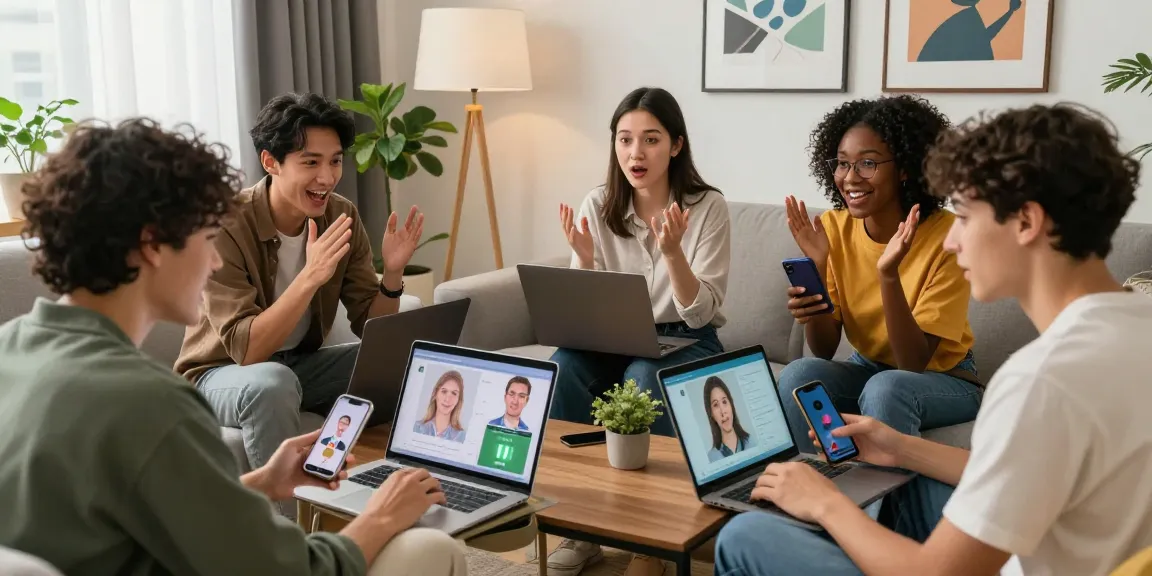
As curiosity grows about perceived age, many turn to digital tools that promise to unveil their biological age through facial analysis. These age estimation tools are designed to offer quick and informative feedback by analyzing uploaded images. It’s essential to approach these tools with an understanding of their strengths and limitations.
Best AI Tools to Estimate Your Age
Several AI-powered tools have gained popularity, each using different algorithms and techniques to estimate age. For instance, FaceAge.ai and BeautyPlus are leaders in this field, offering instant age estimations with a user-friendly interface. Their algorithms focus on various aspects of facial features to provide a reliable estimate of how old you might appear.
Uploading Photos: Best Practices
When using age estimation tools, uploading high-quality photographs can significantly enhance the accuracy of results. Opt for well-lit images that clearly show your face without any obstructions. Avoid using filters that might alter your natural appearance, as these can skew the results and lead to inaccurate age assessments.
Privacy Considerations When Using Age Estimation Apps
Privacy is a paramount concern for many users of age estimation apps. Since these platforms require personal photos, it’s crucial to understand how your data will be used. Look for applications that prioritize user privacy, employ encryption for data protection, and provide clear terms of service regarding data handling.
The Psychology of Age Perception
Understanding the psychology behind age perception reveals how deeply rooted societal norms affect personal identity. The way we perceive age influences self-esteem, self-image, and even social interactions.
The Impact of Appearance on Self-Esteem
For many, appearance significantly affects self-esteem. Research indicates that individuals who are perceived as younger often enjoy advantages in social and professional settings. This perception can lead to a cycle where individuals feel pressured to maintain a youthful appearance, impacting their mental health and self-worth.
How Social Media Influences Age Perception
Social media platforms amplify societal standards of beauty and youthfulness. Filters and photo editing tools encourage users to present idealized versions of themselves, contributing to skewed perceptions of aging. This phenomenon often leads to unrealistic expectations and an increased desire for youthful looks.
Overcoming Negative Age Stereotypes
Age stereotypes can be damaging, creating barriers for individuals in various aspects of life. To combat this, fostering open discussions about the value of every age, championing diversity in representation, and promoting self-acceptance are essential steps toward overcoming these stereotypes.
Maintaining Youthful Appearance
Aging is a natural process, but many seek ways to enhance their appearance. Adopting certain lifestyle choices can have a significant impact on how one looks and feels.
Skincare Tips for a Youthful Glow
Healthy skin is often synonymous with youth. Establishing a consistent skincare routine that includes moisturizing, sun protection, and regular cleansing can help maintain skin integrity. Ingredients such as retinol and hyaluronic acid have proven effective in promoting healthy, youthful-looking skin.
Healthy Lifestyle Choices That Affect Age Perception
Nutrition and physical activity play critical roles in how we age. A balanced diet rich in antioxidants, vitamins, and minerals combined with regular exercise can improve overall health and appearance. Hydration is equally important; adequate water intake keeps skin plump and reduces the appearance of wrinkles.
Makeup Techniques to Enhance a Youthful Look
Makeup can significantly influence how youthful an individual appears. Strategies such as using lighter foundations, incorporating blush to add a natural flush, and highlighting areas of the face can create an illusion of youthfulness. Emphasizing the eyes while keeping the look minimal can also contribute to a more vibrant appearance.
Future Trends in Age Estimation Technology
The future of age estimation technology is bright, with continuous advancements promising even more accurate assessments and innovative applications.
Emerging AI Technologies in Age Detection
As machine learning algorithms evolve, they become increasingly adept at recognizing subtle signs of aging. Emerging technologies that utilize 3D modeling and augmented reality are expected to offer new ways to analyze and visualize age, pushing the boundaries of current tools.
How AI Will Transform Beauty Standards in 2026
By 2026, AI-driven beauty apps are likely to reshape how we perceive age and beauty. These apps will integrate augmented reality and machine learning to provide personalized recommendations for skincare, makeup, and lifestyle adjustments tailored to individual needs.
The Future of Personalized Age-Related Recommendations
The future may hold personalized age-related recommendations based on genetic factors and lifestyle choices, allowing individuals to make informed decisions tailored to their unique aging process. This personalized approach will redefine our understanding of aging, promoting acceptance of natural processes.
What Are People Asking? FAQs
How does the "how old do I look" process work?
The age estimation process typically involves uploading a clear photo, which the AI analyzes to identify key features associated with aging, such as skin texture and wrinkle depth. The algorithm then provides an estimated age based on these characteristics.
Can age estimation tools be trusted?
While many age estimation tools rely on sophisticated algorithms, results should be viewed as estimates rather than definitive answers. Factors such as photograph quality and personal health can influence accuracy.
What should I avoid when using these tools?
It’s advisable to avoid heavily edited photos when using age estimation tools, as they can obscure true facial features. Additionally, relying solely on these tools for self-worth can be unhealthy; they should be used for fun and curiosity rather than as definitive judgments.
Are there any health implications related to perceived age?
Research suggests that perceived age can affect health perceptions and self-care behaviors. Individuals who perceive themselves as older may engage in healthier lifestyles, while those who feel younger might neglect their health.
How can I improve my appearance based on feedback?
Feedback from age estimation tools and personal reflections can guide improvements in grooming, skincare, and lifestyle choices. By taking constructive criticism positively, individuals can adopt strategies that enhance their overall appearance and confidence.