Introduction to Natural Wine and Its Producers
Defining Natural Wine
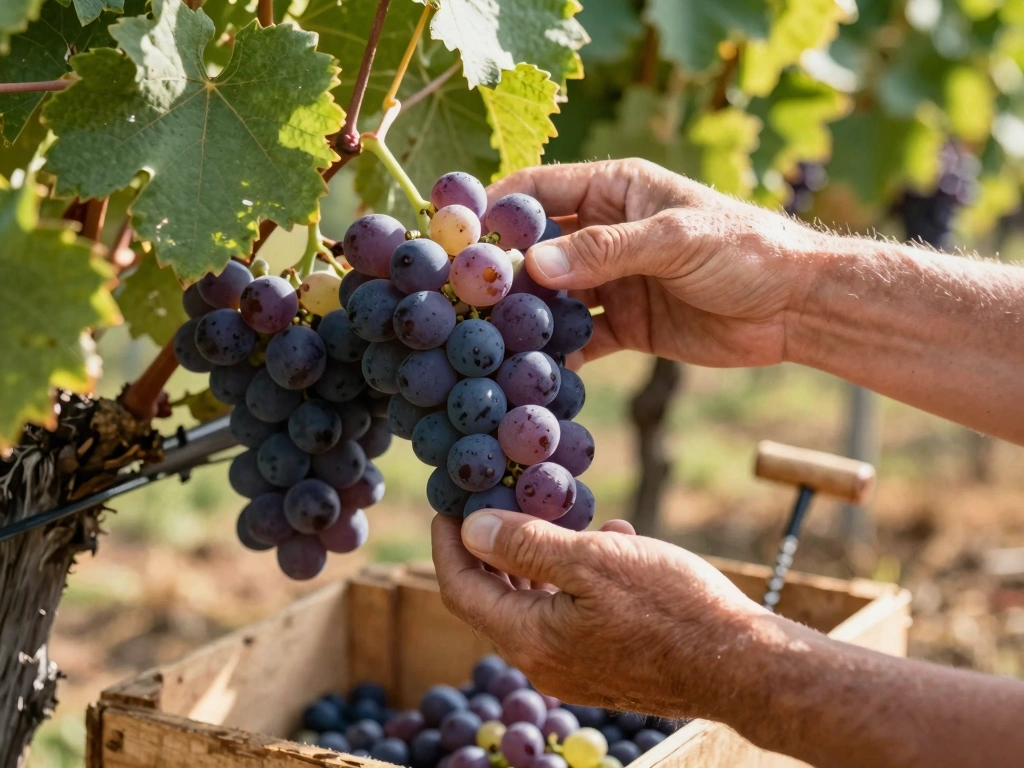
Natural wine is often described as a product of minimal intervention, where the winemaking process emphasizes the fruit's inherent qualities. It generally involves organic or biodynamic farming practices, spontaneous fermentation using native yeasts, and little to no addition of sulfites or other additives. The philosophy behind natural wine is to let the vineyard's terroir express itself fully, resulting in wines that can vary significantly from year to year and bottle to bottle.
Importance of Regional Diversity
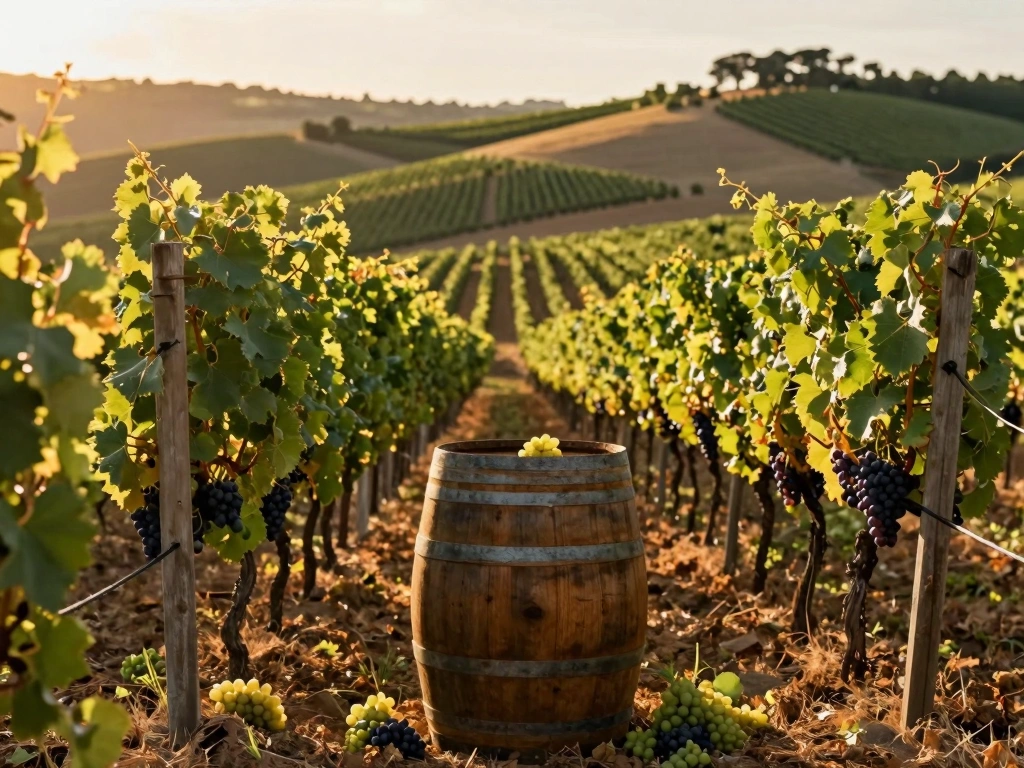
The regional diversity of natural wine producers contributes significantly to the complexity and variety of the wines themselves. Different climates, soils, and grape varieties lead to unique expressions of flavor and characteristics. For instance, the volcanic soils of Etna in Sicily produce wines with distinct minerality, while the cooler climates of Austria yield vibrant, acid-driven whites. Each region's winemaking traditions, historical influences, and local grapes also play crucial roles in shaping the profiles of natural wines.
Overview of Key Players in the Market
The natural wine movement has seen a surge in popularity over the past decade, with many small producers gaining recognition for their artisanal methods. Key players include established names like Jean Foillard in Beaujolais, who is renowned for his Gamay, and newcomers such as Antonin Rodet in the Loire Valley. The rise of natural wine bars and retailers across Europe and North America has also helped to spotlight these producers, creating a vibrant community of enthusiasts and advocates.
Profiles of Natural Wine Producers in Europe
Notable Producers in France
France is often considered the birthplace of natural wine, with regions like the Loire Valley, Beaujolais, and Alsace leading the way. Notable producers include:
- Jean Foillard (Beaujolais): Known for his biodynamic practices and exceptional Gamay wines, Foillard's Morgon is a benchmark for natural Beaujolais.
- Domaine de la Tournelle (Jura): This producer crafts exceptional wines using organic farming, focusing on indigenous grape varieties like Savagnin and Poulsard.
- Château de Puy (Loire Valley): Renowned for its Chenin Blanc and Cabernet Franc, Château de Puy uses natural fermentation and minimal intervention techniques to produce soulful wines.
Italian Innovators in Natural Wine
Italy boasts a rich tapestry of natural wine producers who celebrate local grape varieties and traditional methods. Some noteworthy examples include:
- Frank Cornelissen (Sicily): Operating on the slopes of Mount Etna, Cornelissen is known for his radical approach to winemaking, utilizing amphorae and biodynamic farming.
- La Stoppa (Emilia-Romagna): This estate focuses on Sangiovese and Barbera, employing organic practices and traditional winemaking techniques to produce vibrant, terroir-driven wines.
- Radikon (Friuli-Venezia Giulia): Renowned for its skin-contact wines, Radikon embraces natural fermentation and extended maceration, showcasing the richness of indigenous varieties.
Emerging Regions in Eastern Europe
Eastern Europe has seen a resurgence in natural winemaking, with several producers gaining international acclaim:
- Vinarija Vrsac (Serbia): This producer is celebrated for its organic practices and focuses on local varieties like Prokupac, resulting in expressive, fruit-forward wines.
- Domaine de la Grand'Cour (Slovenia): Located near the border with Italy, this vineyard emphasizes natural methods and produces wines that reflect the unique terroir of the region.
- Chateau Belá (Slovakia): Known for its vibrant, mineral-driven wines, Chateau Belá employs organic viticulture and traditional winemaking techniques to highlight local varietals.
Natural Wine Producers in North America
California's Pioneering Winemakers
California has emerged as a significant player in the natural wine scene, with winemakers championing organic and sustainable practices. Some influential producers include:
- Ridge Vineyards: Renowned for its Zinfandel and Bordeaux blends, Ridge utilizes organic farming and minimal intervention in the cellar.
- Tablas Creek Vineyard: A pioneer in Rhône varietals, Tablas Creek employs biodynamic methods and focuses on blending to create wines that reflect the terroir of Paso Robles.
- Donkey & Goat: Located in Berkeley, this winery specializes in skin-fermented whites and natural reds, showcasing a quirky and experimental approach.
Natural Wine in the Pacific Northwest
The Pacific Northwest, particularly Oregon and Washington, is home to a growing number of natural wine producers:
- Beaux Frères (Oregon): This winery is known for its Pinot Noir, crafted with minimal intervention and a focus on terroir expression.
- Hiyu Wine Farm (Oregon): Emphasizing biodynamic practices, Hiyu produces a range of wines, including unique blends that highlight local varietals.
- Owen Roe (Washington): Known for both traditional and innovative winemaking, Owen Roe showcases the potential of Washington's diverse grape varieties.
Exploring the East Coast Scene
Natural wine is making waves on the East Coast, with several producers gaining recognition for their unique offerings:
- Channing Daughters Winery (New York): This Long Island winery is known for its eclectic blends and experimental approaches, often utilizing lesser-known grape varieties.
- Ridgewood Winery (New Jersey): Focusing on organic practices, Ridgewood produces small-batch wines that emphasize local terroir and grape varietals.
- Jasper Hill Farm (Vermont): Renowned for its micro-production, Jasper Hill creates wines that are deeply rooted in the local landscape and climate.
Distinct Varieties of Natural Wine by Region
Unique Grape Varieties in Europe
European regions are known for their unique grape varieties that often find expression in natural wines:
- Gamay (Beaujolais, France): This grape thrives in the Beaujolais region, where producers like Jean Foillard create vibrant, fruit-driven wines that showcase the terroir.
- Ribolla Gialla (Friuli-Venezia Giulia, Italy): Known for its aromatic qualities, Ribolla Gialla is often used in skin-contact wines, offering a complex array of flavors.
- Poulsard (Jura, France): This delicate red grape is known for its light body and fruity character, often used in natural red wines that showcase elegance and finesse.
North American Varietals and Their Characteristics
Natural wine producers in North America are increasingly experimenting with both traditional and lesser-known grape varieties:
- Pinot Noir (Oregon): Known for its light body and complex flavor profile, Oregon's Pinot Noir has gained international acclaim, especially from producers like Beaux Frères.
- Chenin Blanc (California): This versatile grape variety is being revitalized in California, with producers crafting vibrant and textured natural wines.
- Cabernet Franc (New York): Known for its herbaceous notes, New York's Cabernet Franc is often used in natural blends, showcasing the region's unique climate.
Experimental Blends and Styles
Many producers are pushing the boundaries of traditional winemaking by creating experimental blends and styles:
- Orange Wines: Made by fermenting white grapes with their skins, orange wines are gaining popularity among natural wine enthusiasts for their richness and complexity.
- Field Blends: Combining multiple grape varieties grown together in the same vineyard, field blends reflect the local terroir and the winemaker's philosophy.
- Pet-Nat (Pétillant Naturel): This method of natural sparkling wine production captures the wine's natural carbon dioxide during fermentation, resulting in a refreshing, lightly sparkling beverage.
The Future of Natural Wine Producers and Trends
Sustainability Practices Among Producers
Sustainability is at the heart of the natural wine movement, with many producers adopting organic and biodynamic farming practices. This approach not only benefits the environment but also enhances the quality of the wines. Producers are increasingly focusing on regenerative agriculture, which aims to restore soil health and biodiversity. The use of cover crops, composting, and reduced tillage are just a few methods being embraced to ensure sustainable viticulture.
Consumer Trends and Market Growth
The natural wine market has experienced substantial growth, driven by a shift in consumer preferences towards organic and artisanal products. Younger generations are more inclined to seek out wines that reflect their values, such as sustainability and authenticity. As more natural wine bars and retailers emerge, the visibility of these wines continues to rise, creating a burgeoning community of natural wine enthusiasts.
Challenges Facing Natural Wine Producers
Despite its growth, the natural wine sector faces several challenges. One significant hurdle is the inconsistent quality often associated with natural wines, as the minimal intervention approach can lead to unpredictable results. Additionally, regulatory hurdles regarding labeling and certification can complicate the marketing of natural wines. Producers must navigate these challenges while maintaining their commitment to authenticity and sustainability.