Understanding Food Contract Packaging
Definition of Food Contract Packaging
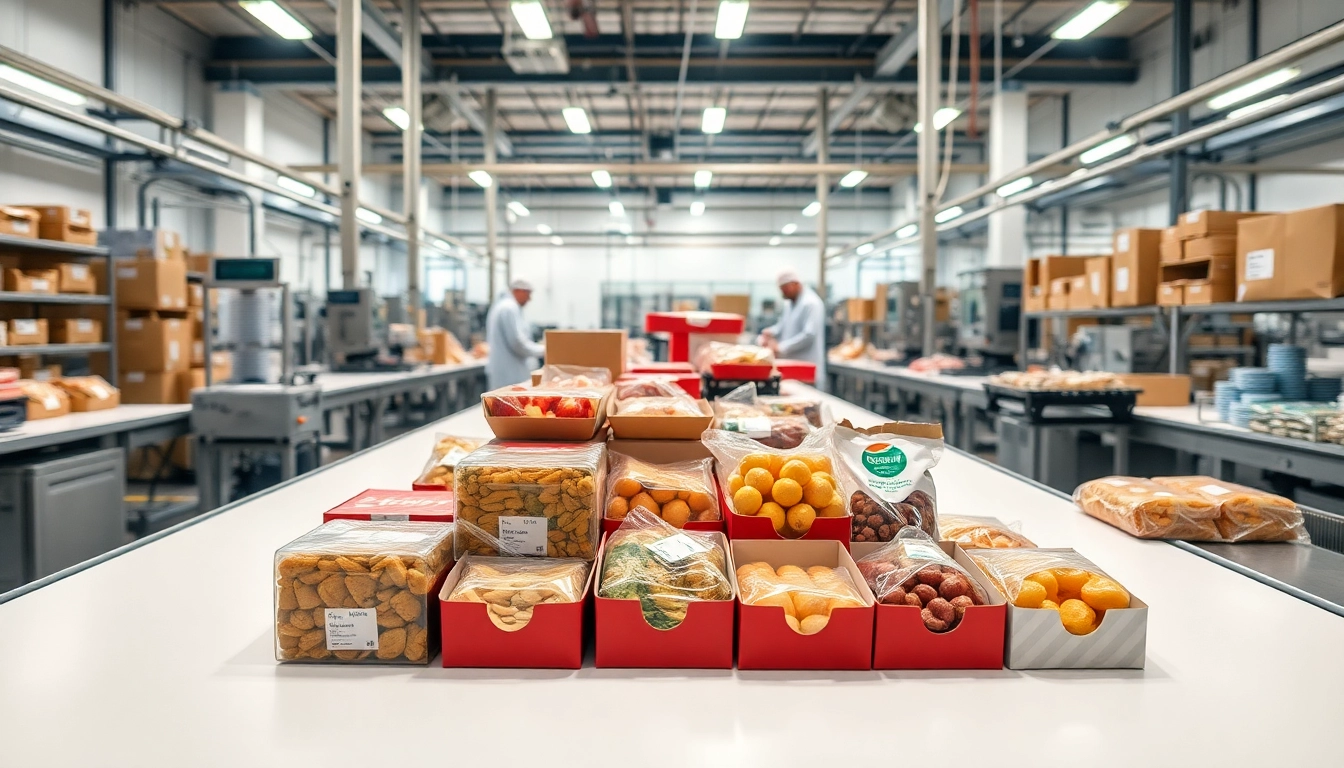
Food contract packaging is the process of outsourcing the packaging needs of food products to specialized third-party companies. These companies, also known as co-packers, provide end-to-end solutions that range from sourcing packaging materials to managing the logistical aspects of product packaging. This approach allows food brands to leverage the expertise and resources of established packaging firms, ensuring that their products are packaged efficiently and effectively without the need for substantial capital investment in machinery or facilities.
Importance of Food Contract Packaging
Utilizing food contract packaging services is crucial for food manufacturers for several reasons. Firstly, it can significantly reduce operational costs and labor, as businesses do not need to invest in packaging equipment or employ specially trained staff. Secondly, it allows companies to focus on their core competencies—such as product development and marketing—while leaving the packaging complexities to experts. Additionally, this method can enhance speed to market, allowing food brands to launch products more rapidly and respond to changing consumer trends with agility.
Types of Food Contract Packaging
Food contract packaging encompasses a broad range of packaging types, each tailored to various products and markets.
- Pouch Packaging: Ideal for snacks and liquids, this method often involves stand-up pouches or resealable options that enhance convenience.
- Bottle Filling: Common for sauces, beverages, and oils, this type of packaging focuses on precise filling and sealing to ensure freshness.
- Cartoning: Used for consolidating multiple products into a single retail box or container, cartoning is crucial for shipping and storage efficiency.
- Labeling: This aspect can be integrated into the packaging process, providing branding and product information right on the package.
- Shrink Wrapping: Often employed for bulk packaging, it protects items from external tampering and preserves freshness.
Choosing a Food Contract Packaging Partner
Key Selection Criteria for Food Contract Packaging Companies
Selecting the right food contract packaging partner is pivotal for a successful collaboration. Key criteria to consider include:
- Experience and Expertise: Look for partners with a proven track record in your specific product category.
- Regulatory Compliance: Ensure that the partner adheres to all food safety regulations and standards.
- Technology and Equipment: Evaluate the advancements in their packaging technologies and the flexibility of their equipment.
- Customization Capabilities: Assess their ability to provide tailored packaging solutions that meet your branding needs.
- Quality Assurance Processes: Inquire about their quality control measures to ensure consistent product delivery.
Questions to Ask Potential Food Contract Packaging Providers
When vetting potential partners, consider asking the following questions:
- What is your experience with packaging products similar to ours?
- Can you provide references from previous clients or case studies that demonstrate your capabilities?
- What quality assurance processes do you have in place to ensure product integrity?
- How flexible are you in adapting to changes in our packaging needs?
- What is your turnaround time from order to delivery?
Evaluating Capabilities in Food Contract Packaging
To assess the capabilities of a contract packaging provider, request detailed information about their operational processes:
- Production Capacity: Understand their maximum output and scalability for larger orders.
- Technology Utilization: Investigate the types of machinery and software used for tracking and managing the packaging process.
- Labor Skills: Evaluate the training and expertise of their workforce in handling food-grade materials.
- Logistics Integration: Check how they manage inventory, distribution, and supply chain logistics.
Processes Involved in Food Contract Packaging
Step-by-Step Overview of Food Contract Packaging
The typical process of food contract packaging can be broken down into several critical steps:
- Initial Consultation: The client discusses product specifications, branding, and packaging needs with the co-packer.
- Production Planning: The contract packager develops a detailed plan, including timelines and resource allocation.
- Material Sourcing: Food-grade materials are sourced to meet the specifications of the product.
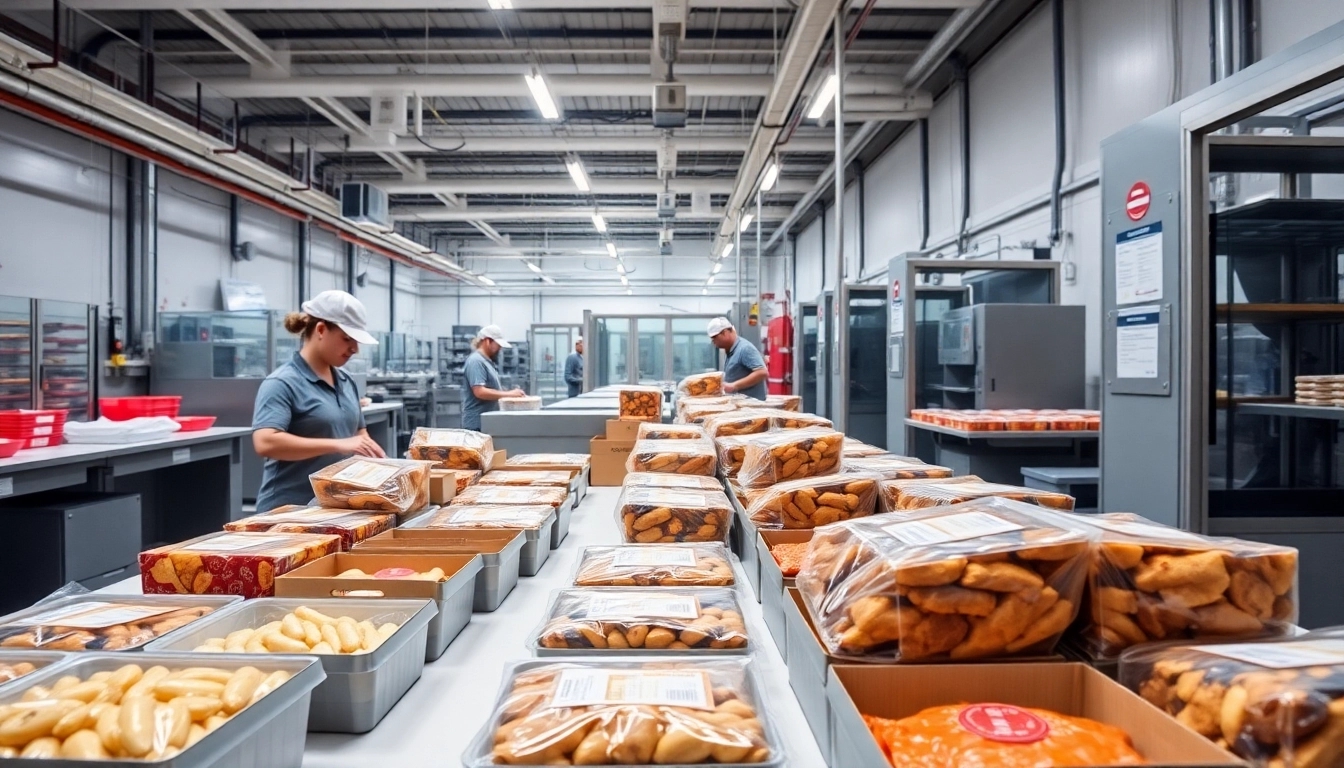
- Packaging Production: The product is packaged using specified machinery and processes.
- Quality Control: Rigorous testing and inspection are performed to ensure standards are met.
- Logistics and Distribution: Completed products are stored, tracked, and distributed to customers as required.
Common Techniques Used in Food Contract Packaging
Various techniques are employed in food contract packaging to enhance efficiency and product quality:
- Automated Filling and Capping: These processes ensure speed and accuracy in the packaging line.
- Multi-Pack Assembly: Grouping products allows for more efficient shipping and merchandising.
- Vacuum Sealing: Often used to extend shelf life by removing air from the packaging.
- Custom Labeling: This enhances brand visibility and compliance with health regulations.
Quality Assurance in Food Contract Packaging
Quality assurance is paramount in food contract packaging. To maintain high standards:
- Conduct regular audits of processes and equipment.
- Implement a thorough testing protocol for raw materials and finished products.
- Ensure adherence to food safety standards such as HACCP (Hazard Analysis Critical Control Point).
- Train personnel on best practices for food handling and packaging.
Trends in Food Contract Packaging
Sustainable Practices in Food Contract Packaging
The demand for sustainable packaging solutions is rising as consumers become more environmentally aware. Companies are adopting eco-friendly materials, minimizing excess packaging, and implementing practices that reduce waste. Emphasizing recyclable and biodegradable materials can enhance brand reputation and increase customer loyalty.
Technological Innovations Affecting Food Contract Packaging
Technological advancements, such as automation in packaging processes and the use of smart packaging materials, are significantly impacting the industry. Cloud-based inventory management systems and real-time tracking solutions enhance transparency and efficiency throughout the supply chain, providing valuable data to clients and companies alike.
Consumer Preferences Shaping Food Contract Packaging
As consumer tastes evolve, so do expectations for packaging. Current trends favor convenience, with consumers preferring easy-to-use, resealable packaging. Brands are also focusing on transparency in labeling, offering clear product information to build trust.
Challenges in Food Contract Packaging
Overcoming Supply Chain Issues in Food Contract Packaging
Supply chain disruptions can pose significant risks to food packaging. To mitigate these challenges, companies should:
- Diversify supplier networks to minimize dependency on single sources.
- Use technological solutions for better inventory forecasting and management.
- Establish buffer stocks to accommodate unforeseen delays.
Addressing Regulatory Compliance in Food Contract Packaging
Compliance with food safety regulations is essential. Businesses should stay informed on local and international packaging standards and invest in training staff to handle compliance checks effectively. Regular audits can help ensure that operations align with these regulations.
Common Mistakes to Avoid in Food Contract Packaging
Avoiding certain pitfalls can lead to smoother operation in food contract packaging:
- Neglecting thorough testing of packaging materials can compromise product safety.
- Failing to communicate clearly with packaging partners may lead to inconsistencies.
- Ignoring data analytics can result in poor inventory management and excess costs.
- Disregarding consumer feedback may hinder necessary product adjustments.
FAQs
What is food contract packaging?
Food contract packaging refers to the outsourcing of food product packaging tasks to third-party providers, ensuring efficiency and expertise.
How does food contract packaging work?
It involves a collaborative process where a company provides its product and specifications, while the contract packager handles all packaging logistics.
What are the benefits of food contract packaging?
Benefits include cost efficiency, access to specialized technology, scalability, and allowing businesses to focus on core operations.
What factors to consider in selecting a food contract packaging partner?
Consider their experience, capabilities, compliance with regulations, technology used, and customer feedback.
How can sustainability be incorporated into food contract packaging?
Sustainability can be pursued through eco-friendly materials, optimizing packaging sizes, and reducing waste during the packaging process.