Introduction to Research Peptides
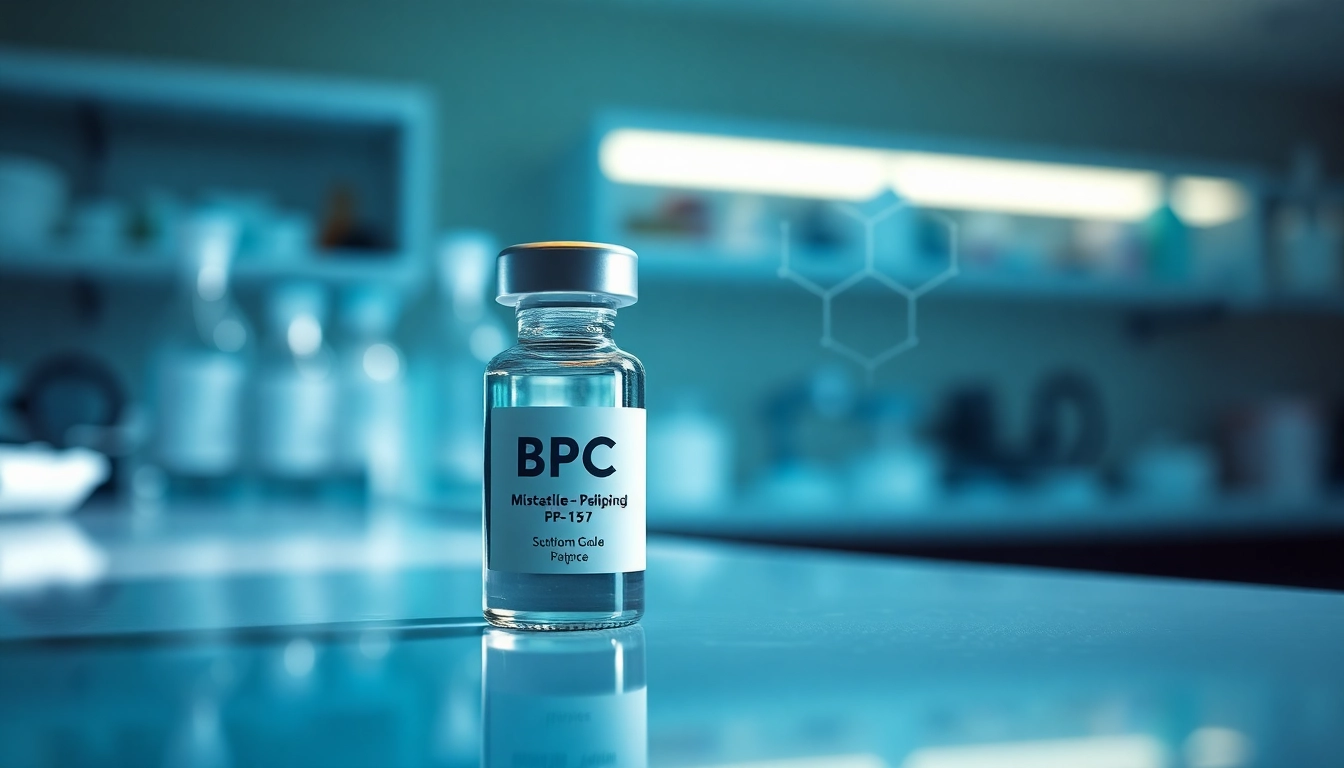
Research peptides have emerged as a fascinating field within the scientific community, attracting attention for their potential in various applications ranging from medicine to sports enhancement. With their unique biochemical roles, these compounds are often at the forefront of research aimed at improving human health and performance. Among these, BPC-157 stands out due to its promising benefits and relatively easy accessibility in the research community. Understanding the implications of peptides like BPC-157 not only provides insights into their functionality but also sheds light on economic factors surrounding their use, including how much does bpc 157 cost.
What are Research Peptides?
Research peptides are short chains of amino acids that are synthesized to replicate the effects of naturally occurring peptides in the body. These bioactive proteins are crucial players in various biological processes, influencing growth, metabolism, and cellular repair. By mimicking the natural peptides, researchers can explore therapeutic avenues for diseases, injuries, and regenerative medicine. The ability to design and customize peptides adds another layer of utility in cutting-edge research.
Applications and Benefits of Peptides
The range of applications for research peptides is extensive. They are utilized in fields such as regenerative medicine, aging, weight management, muscle growth, and even hormonal balance. For example, BPC-157 has been researched for its potential to accelerate healing and improve recovery from injuries. Its beneficial effects on tissue repair and inflammation are leading reasons for its popularity among researchers and practitioners alike.
Moreover, peptides can enhance the biological functionality of existing treatments, making them valuable in drug development and therapy. Their specificity in targeting certain pathways can result in fewer side effects compared to conventional medications.
Safety and Regulations in Peptide Use
While research peptides offer numerous benefits, safety and regulations are pivotal concerns. The use of peptides in any form should be approached with caution due to the potential for misuse and health risks. In general, research peptides like BPC-157 may not be approved for human consumption by regulatory agencies, placing them in a category that requires thorough understanding and compliance with legal standards. Users must stay informed about the peptide landscape and recognize that the research phase does not guarantee commercialization or general acceptance of safety.
Additionally, regular quality checks and transparency from suppliers are vital for ensuring product safety and authenticity, especially as the market grows.
Factors Influencing the Cost of BPC-157
Understanding the cost dynamics of BPC-157 is essential for researchers and practitioners seeking to incorporate this peptide in their work. Multiple factors comprise the pricing structure of BPC-157, influencing both researchers' and end-users' costs.
Production Quality and Source
The quality of production and the source of BPC-157 significantly affect its price. High-quality synthesis processes that adhere to strict guidelines yield peptides with higher purity, resulting in increased costs. Suppliers who utilize advanced technology and rigorous quality control measures typically price their products higher due to these factors. The source of the peptide, whether domestic or international, also plays a role in pricing—a product sourced from reputable manufacturers is likely to come with a premium.
Market Demand and Availability
The demand for BPC-157, coupled with its availability, can lead to price fluctuations. A surge in interest from the research community or popular endorsements in non-scientific circles can drive up prices. Conversely, if multiple suppliers enter the market, competition may lead to lower prices. Seasonal factors, such as global supply chain stability, can additionally affect availability and, consequently, cost.
Comparing Prices from Various Suppliers
Comparing prices from different suppliers is crucial for researchers seeking the best deal without compromising quality. Prices for BPC-157 generally range from $20 to $50 per vial, depending on the factors previously mentioned. When exploring suppliers, it is essential to balance cost against quality and customer feedback. Investigating multiple listings can reveal essential insights into the average market cost and help buyers make informed decisions regarding their purchases.
How to Purchase BPC-157 Safely
When considering purchasing BPC-157, safety should be a top priority. Buyers must navigate the peptide marketplace carefully to ensure they receive a legitimate product that meets quality standards.
Identifying Reputable Suppliers
Identifying reputable suppliers is crucial in ensuring safe access to BPC-157. Start by looking for suppliers with positive customer reviews and verified certifications. Legitimate suppliers often provide detailed information about their manufacturing processes, including third-party testing and quality assurance documentation. Engaging with online communities and forums dedicated to research peptides can also provide insight into reliable suppliers and user experiences.
Understanding the Purchasing Process
Understanding the purchasing process helps demystify the transaction. Most suppliers offer online ordering with straightforward payment methods. However, it is important that buyers verify the privacy and security of payment portals to safeguard personal information. Checking the return policy and customer support access can also reveal the supplier’s reliability.
Validating Product Authenticity
Validating product authenticity is imperative after purchase. Many reputable suppliers provide authentication codes or batch numbers that can be traced back to quality checks and ingredients used. Utilizing lab results or certificates of analysis can provide critical evidence of the product’s legitimacy and purity, ensuring users are not exposed to subpar or contaminated materials.
Comparative Analysis with Other Peptides
Understanding BPC-157’s standing among various research peptides involves a thorough comparison of attributes such as pricing, uses, and overall efficacy. By contextualizing it within the broader spectrum of research peptides, researchers can gauge its value better.
BPC-157 Versus Other Research Peptides
When compared to other research peptides, BPC-157 is often noted for its regenerative properties, particularly in the context of wound healing and tissue repair. Other peptides may focus on muscle growth or hormonal modulation, impacting their respective utility and demand. While some peptides may have broader applications, the specificity of BPC-157 positions it uniquely within specialized research domains.
Cost Comparisons Across Different Peptides
Price comparisons between BPC-157 and other peptides reveal a significant variance influenced by several elements like efficacy, demand, and production costs. Some peptides may be priced lower due to reduced production complexity but may not offer the same degree of regenerative capability as BPC-157. Conversely, peptide chains designed for broader applications or patented formulas might command higher prices despite producing specific benefits.
Common Uses and Their Price Justifications
Prices associated with research peptides are often reflective of the scopes of their uses. For instance, peptides that have shown efficacy in large-scale clinical trials or possess unique modes of action typically experience higher demand, translating directly to higher pricing. BPC-157, with its focus on healing and recovery, justifies its price through extensive application in sports medicine and injury rehabilitation.
Frequently Asked Questions (FAQs)
How much does BPC 157 cost compared to similar peptides?
BPC-157 pricing can vary, but it's generally competitive with other peptides, often ranging from $20 to $50 per vial.
What factors affect the cost of BPC 157?
Production methods, supplier reputation, and product purity significantly influence BPC-157 pricing in the market.
Is there a price difference between brands of BPC 157?
Yes, different brands may offer varying prices based on their sourcing, quality control measures, and marketing strategies.
Can I find discounts on BPC 157?
Occasionally, suppliers offer discounts for bulk purchases or promotional periods, so always check for deals.
What is the best way to ensure I pay a fair price?
Research multiple suppliers, read reviews, and ensure you are purchasing from credible sources to find fair prices.