Understanding Queue Detection Software
What is Queue Detection Software?
Queue detection software is a technological solution that uses various methods such as video analytics, sensors, and machine learning algorithms to monitor and manage queues effectively. This software helps organizations assess traffic patterns and enhance customer experience by reducing wait times. By implementing cutting-edge techniques, queue detection software not only improves operational efficiency but also offers real-time insights into crowd dynamics within various environments like retail stores, restaurants, and service centers. The software plays a critical role in optimizing service delivery by recognizing when queues are forming and alerting personnel to take necessary actions, thus maintaining a smooth operational flow. For a deeper dive, consider exploring this queue detection software.
How Queue Detection Software Works
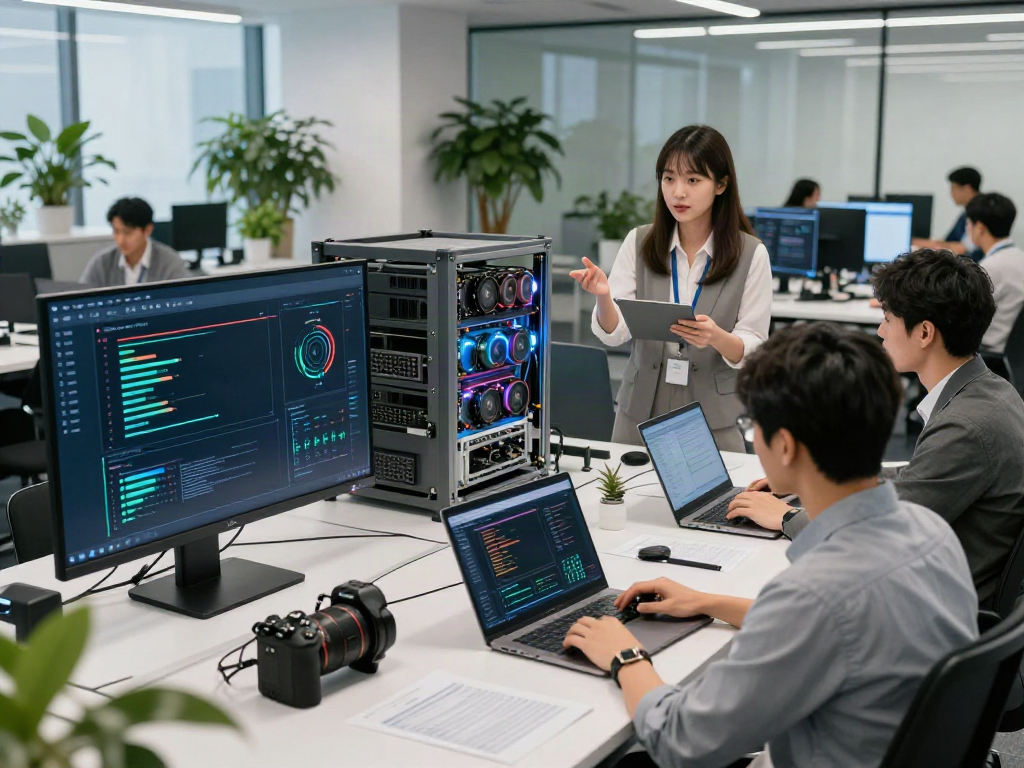
The functionality of queue detection software revolves around its ability to gather data from various inputs, analyze it, and provide actionable insights. Most systems utilize cameras and sensors to monitor a designated area where queues are likely to form. These monitoring devices can capture video footage or radar signals to detect the number of people in line or the length and density of the queue. Advanced software applies algorithms for real-time processing, helping to gauge changes in queue dynamics. If a queue exceeds a predefined volume, the system can trigger alerts to staff, enabling them to manage the situation proactively. This proactive management ensures optimal service delivery and enhances customer satisfaction.
Benefits of Implementing Queue Detection Software
Utilizing queue detection software presents numerous advantages:
- Enhanced Customer Experience: By minimizing wait times, businesses can significantly enhance customer satisfaction. Prompt alerts allow for timely intervention when queues begin to build.
- Operational Efficiency: Automating queue management frees up personnel to focus on other critical tasks. This efficiency translates into better resource allocation.
- Data-Driven Insights: Queue detection software collates and analyzes data on customer behavior, enabling businesses to adapt and optimize services based on solid evidence.
- Scalability: As businesses grow, they can integrate additional monitoring stations without major overhauls, ensuring scalability in queue management.
- Reduced Labor Costs: With less need for manual monitoring, companies can allocate their workforce more efficiently, leading to reduced labor costs overall.
Key Features of Queue Detection Software
Real-time Monitoring and Alerts
One of the cornerstone features of queue detection software is its capability for real-time monitoring. This enables organizations to gain immediate insights into queue lengths and flow rates. High-quality cameras or infrared sensors continuously feed data to the software, which processes the information to identify when queues exceed optimal thresholds. Automated alerts ensure that personnel can respond instantly, mitigating potential congestion before it escalates. The integration of real-time alerts is crucial for industries where customer satisfaction and operational efficiency are paramount.
Data Analysis and Reporting Capabilities
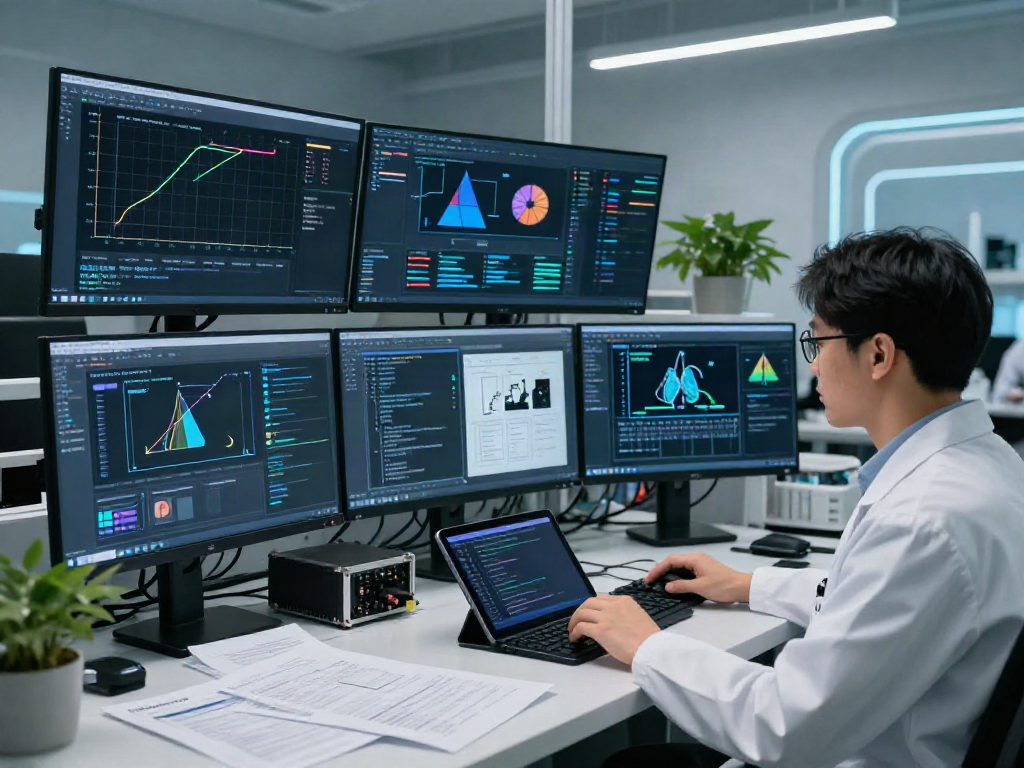
Effective queue detection software comes outfitted with robust data analysis tools. These tools gather historical data on queue patterns, peak times, and customer behavior, all of which are critical for making informed operational decisions. Reports generated can help management identify trends and prepare for rush periods. Insights can inform strategic planning, resource scheduling, and customer service training, ensuring continuous improvement in service delivery.
User-Friendly Interface and Accessibility
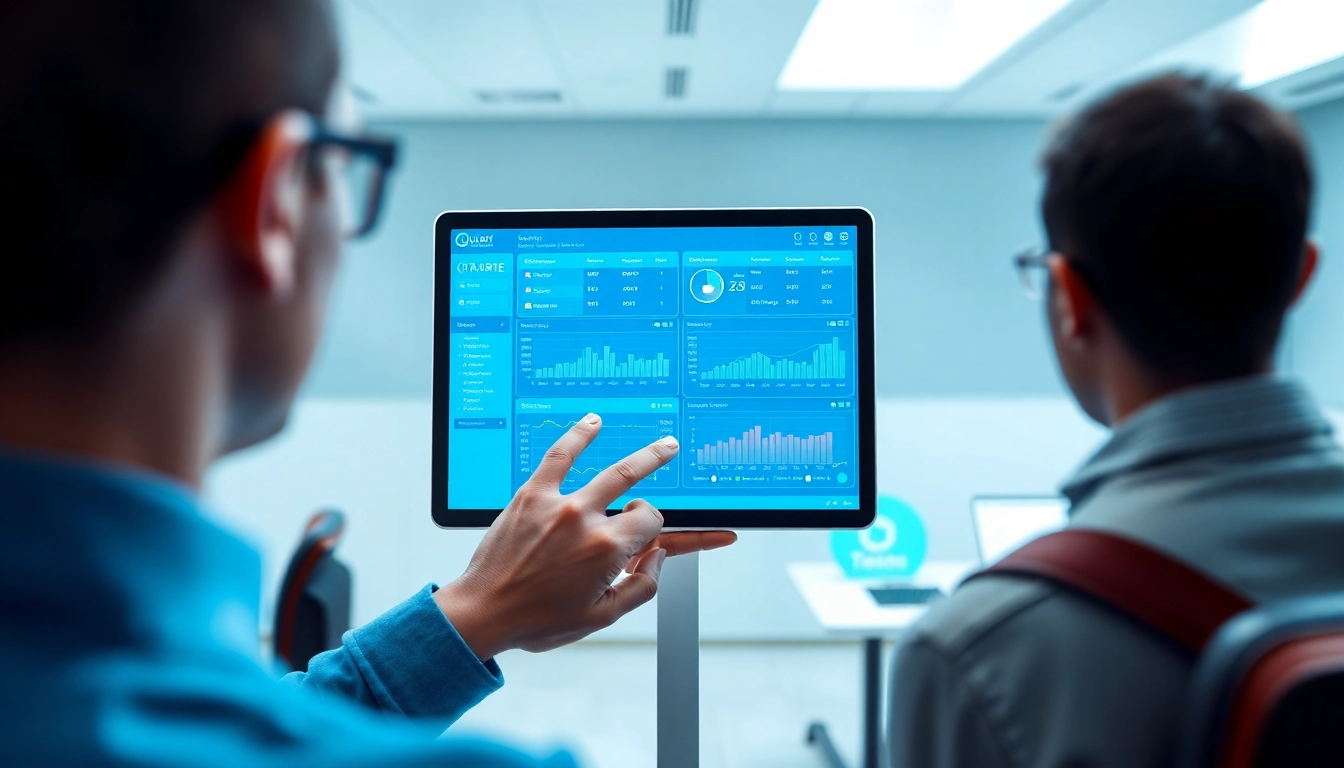
The best queue detection software prioritizes user experience. A user-friendly interface simplifies the onboarding process, allowing employees to navigate the system seamlessly. Accessibility is further enhanced through mobile compatibility, enabling staff to monitor queues from any location directly. This flexibility empowers teams, particularly in busy environments where rapid shifts necessitate quick responses.
Best Practices for Using Queue Detection Software
Setting Up Your Queue Detection System
Proper setup is critical for maximizing the benefits of queue detection software. Begin by selecting suitable monitoring locations, ensuring they cover significant areas where customers typically queue. Next, integrate the software with existing systems for seamless functionality. Conduct thorough testing to confirm all sensors and cameras are operational, and calibrate them for optimal data accuracy.
Integrating with Existing Infrastructure
Integration of queue detection software with existing infrastructure is often seamless and central to success. Whether it involves linking with customer service platforms, analytics tools, or communication systems, it's essential to ensure that all components work together harmoniously. Engaging IT experts during this phase can assist with preventing disruptions and maximizing the benefits of the new technology.
Training Staff for Effective Use
Staff training is vital for the successful implementation of queue detection software. Employees should understand how the software operates, how to interpret alerts, and how to respond effectively. Regular training sessions can reinforce this knowledge and ensure all team members are equipped to handle different scenarios. Encourage feedback from staff on using the system to adapt training materials to their needs, further enhancing efficiency.
Analyzing Performance Metrics from Queue Detection Software
Essential KPIs to Track
To gauge the impact of queue detection software, organizations must focus on tracking essential Key Performance Indicators (KPIs). Critical KPIs might include average queue length, wait times, peak wait times during specific periods, and customer satisfaction ratings. Each metric offers insight into operational effectiveness, highlighting areas for further improvement to enhance customer experience.
Interpreting Data for Operational Improvements
Data interpretation is crucial for gaining actionable insights from queue detection software. Identifying patterns in wait times can signal when additional staffing is needed or when to implement measures to streamline service. Analyzing seasonal variations can assist in planning for peak times, ensuring that businesses can manage customer flow efficiently throughout the year.
Adapting Strategies Based on Metrics
Once specific performance metrics have been established and analyzed, organizations can adapt their strategies accordingly. For instance, if data indicates excessive wait times during particular hours, management can adjust staffing levels or introduce express lines to improve the service. Continuous monitoring and adapting based on real-time insights foster a culture of responsiveness and agility, critical in today's fast-paced environments.
Future Trends in Queue Detection Software
Advancements in AI and Machine Learning
The future of queue detection software lies significantly in advancements in artificial intelligence (AI) and machine learning technologies. These innovations can enhance the accuracy of predictions regarding queue behavior cycles, leading to more robust and proactive responses. As systems learn from historical data, they will fine-tune predictions and provide more tailored solutions to businesses.
Integration with IoT Devices
As IoT technology continues to spread, the ability for queue detection software to integrate with smart devices will present extensive opportunities. This could lead to automatic queue management systems that interact with customer smartphones, offering notifications about wait times or virtual queuing systems. Such integration will transform customer experiences by enhancing convenience and operational transparency.
Impact on Customer Experience and Management
The ultimate goal of introducing queue detection software is to enhance customer experience significantly. With the continuous evolution of technology ensuring better service delivery, businesses can expect reduced wait times, improved satisfaction, and heightened loyalty. Monitoring systems will evolve alongside customer dynamics, fostering better interactions between businesses and their patrons for a more seamless experience.
FAQs
What is queue detection software used for?
Queue detection software is utilized to monitor and manage customer lines, optimizing service efficiency by reducing wait times and enhancing overall customer experience.
How does queue detection software work?
It uses sensors and cameras to gather data on queue length and flow, analyzing this data to provide real-time alerts for better service management.
What industries benefit from queue detection software?
Retail, healthcare, restaurants, and any service-oriented business can benefit from queue detection software by improving customer satisfaction and operational efficiency.
Can queue detection software integrate with existing systems?
Yes, most queue detection software can integrate with existing management systems, ensuring seamless functionality and improved operational coordination.
What are the main benefits of using queue detection software?
Main benefits include reduced wait times, improved customer satisfaction, enhanced operational efficiency, and data-driven decision-making for business improvements.