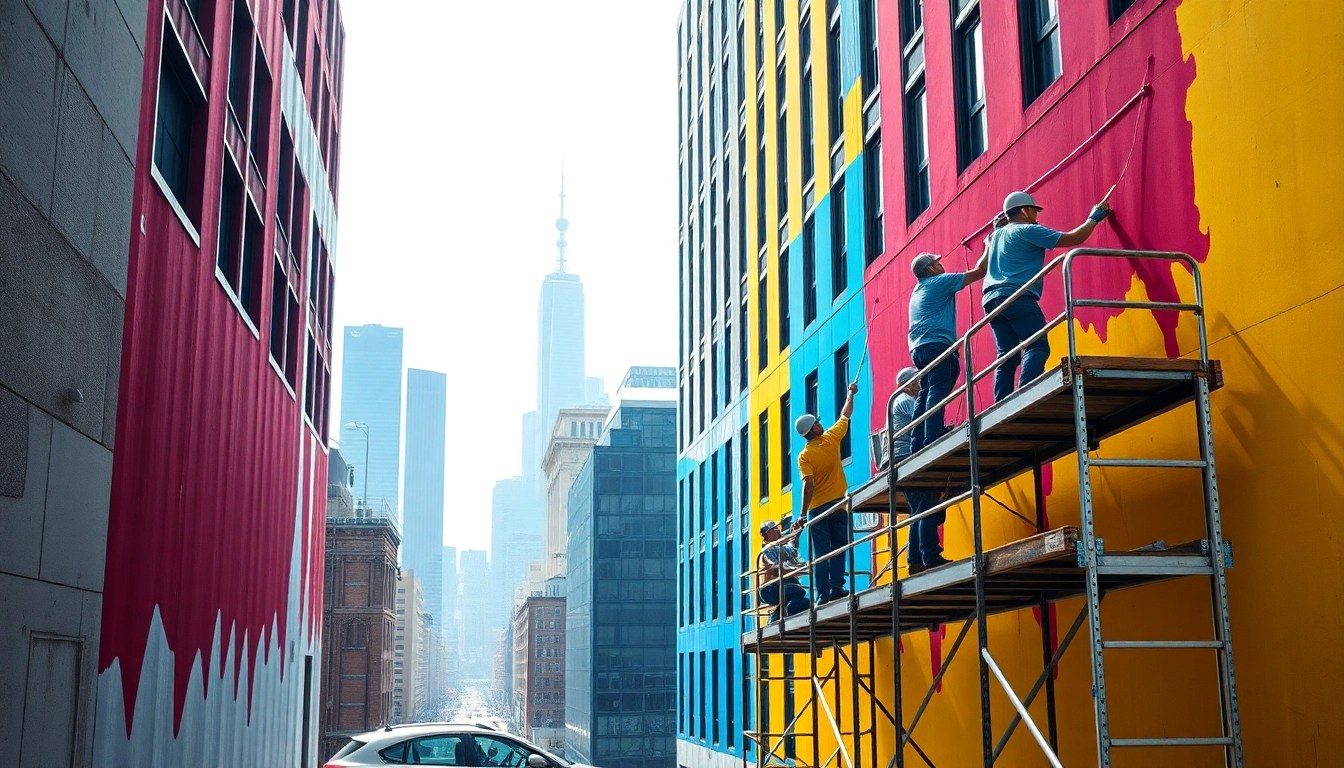
Understanding Commercial Painting: What Sets It Apart?
Definition and Importance of Commercial Painting
Commercial painting refers to the process of painting commercial spaces such as offices, retail stores, warehouses, and other business establishments. Unlike residential painting, which typically focuses on aesthetics and personal preference, commercial painting involves techniques that prioritize durability and compliance with industry standards. It’s vital for establishing a professional image, enhancing functionality, and ensuring a welcoming atmosphere for customers and employees alike. While the superficial aspects are important, the longevity and quality of the paint job play a crucial role in projecting a company’s brand identity.
Different Types of Commercial Painting Services
Understanding the various options available in commercial painting can help businesses make informed choices regarding their specific needs. Some of the prevalent types include:
- Interior Painting: This focuses on the walls, ceilings, and other interior components of a space. Interior painting often involves preparation for aesthetic appeal and durability, depending on the traffic and usage.
- Exterior Painting: Designed to withstand weather-related challenges, exterior painting caters to the outer surfaces of a building. High-quality materials and techniques are essential to maintain appearance and prevent damage.
- Specialty Coatings: These include waterproofing, anti-graffiti coatings, and high-heat resistant paint for industrial applications. Specialized coatings offer added protection and functionality, catering to specific industry needs.
- Commercial Floor Coating: This involves applying protective layers to floors, enhancing durability while improving safety in high-traffic areas.
Benefits of Professional Commercial Painting
Engaging a professional service for commercial painting leads to various benefits that go beyond just appearances. Here are some crucial advantages:
- Increased Durability: Professionals use high-quality paints and materials designed to last, often resulting in fewer repaints and maintenance over time.
- Cost-Effective: Investing in a professional service can save significant money in the long run by reducing the need for frequent touch-ups and repairs.
- Expert Consultation: Experienced painters offer insights on color selection and design choices, ensuring that the project aligns with the brand's vision.
- Enhanced Safety: Professionals adhere to safety protocols, ensuring compliance with industry regulations and minimizing risks associated with painting.
Choosing the Right Contractor for Your Commercial Painting
Key Qualities to Look for in a Commercial Painter
Selecting the right commercial painting contractor is critical to the success of the project. Look for qualities such as:
- Experience: Contractors with a solid track record in commercial projects ensure they can handle the specifics associated with larger scales and operational need.
- Reputation: Research past client testimonials and reviews to gauge the contractor’s credibility and the quality of their work.
- Licensing and Insurance: Ensure that the contractor is licensed to operate in your region and carries the necessary insurance to protect against potential liabilities.
- Structured Communication: A reliable contractor maintains clear communication throughout the project, providing updates and responding to concerns promptly.
How to Evaluate Past Work and Client Testimonials
Assessing a contractor's past projects gives you insight into their workmanship quality. Here’s how to evaluate:
- Review Portfolio: Ask for a portfolio of previous works to see if their style aligns with your vision.
- Client References: Speak to previous clients to understand their experiences, deadline management, and overall satisfaction with the final product.
- Site Visits: If possible, visit some of their completed projects to observe the quality firsthand.
- Request Testimonials: Authentic testimonials can provide context to how the contractor handles difficulties and client feedback.
Questions to Ask Before Hiring a Contractor
Before finalizing your decision, consider asking the following pertinent questions:
- What preparation steps will you take for this project?
- Can you provide a detailed estimate of costs, including materials and labor?
- What is your expected timeline for completing this project?
- How do you handle changes or unforeseen challenges during the project?
- What safety procedures do you follow during work?
Commercial Painting Preparation: Ensuring Success
Assessing and Preparing Surfaces for Painting
The success of a commercial painting project relies heavily on thorough preparation. This stage involves:
- Surface Cleaning: Removing dust, dirt, and grease is crucial to promote adhesion and ensure an even finish.
- Repairing Cracks and Holes: Use putty or filler to enhance the integrity of surfaces before painting.
- Priming: Applying primer is essential for surfaces that need it, enhancing the paint's ability to adhere and providing a uniform finish.
Choosing the Right Paint and Materials
Selecting the appropriate paint is fundamental. Key factors include:
- Finish Types: Determine whether a matte, satin, or gloss finish is required based on the room's function and desired aesthetic.
- Durability: Opt for high-quality, commercial-grade paints that can withstand wear and tear associated with business operations.
- Environmental Considerations: Non-toxic, low-VOC paints contribute to healthier indoor air quality and align with sustainability practices.
Essential Tools and Equipment for Commercial Painting
Utilizing the right tools can significantly impact efficiency and quality. Important tools include:
- Rollers and Brushes: Use high-density rollers for smooth finishes and brushes for detailed work.
- Paint Sprayers: Large areas may benefit from spray guns for an even coat without streaks.
- Drop Cloths and Tape: Protect surrounding areas and ensure clean lines by using decent drop cloths and painter’s tape.
- Scaffolding or Ladders: Accessing high spots safely is crucial to avoid accidents during the painting process.
Best Practices in Commercial Painting Execution
Safety Protocols and Compliance Requirements
Executing a commercial painting project with safety at the forefront is non-negotiable. Adhering to these protocols is critical:
- Personal Protective Equipment (PPE): Wear appropriate gear, including masks, goggles, and gloves, to protect workers from harmful substances.
- Comply with Regulations: Understand and follow all local regulations pertaining to hazardous materials and workplace safety.
- Safe Work Environment: Remove hazards and maintain an orderly workspace to prevent accidents.
Scheduling the Project for Minimal Disruption
When planning the painting schedule, consider the following to minimize interruptions:
- Off-Hours Work: Schedule painting during off-peak hours or weekends to avoid disrupting business operations.
- Clear Planning: Communicate timelines and expectations with staff and clients to prepare them for any inconveniences.
- Phased Approach: Break projects into sections to keep essential areas operational while others are painted.
Effective Communication with Your Painting Team
Open communication channels are essential throughout the painting process:
- Pre-Project Meetings: Hold discussions to clarify expectations, timelines, and any special requests before starting.
- Regular Updates: Ensure the contractor provides updates on progress, issues encountered, and changes required.
- Feedback Mechanism: A feedback mechanism allows for prompt adjustments, keeping the project aligned with your vision.
Measuring the Impact of Commercial Painting on Business
Understanding ROI from a Fresh Coat of Paint
Measuring the return on investment (ROI) on commercial painting includes considering a variety of factors:
- First Impressions: A professionally painted space can create a favorable initial impression on clients and customers.
- Employee Productivity: Environments that are visually appealing tend to improve employee morale and productivity levels.
- Increased Property Value: High-quality painting efforts can enhance the overall value of a property, especially when the time comes to sell or lease.
Maintenance Tips for Long-lasting Results
Ensuring the longevity of your commercial painting requires regular maintenance:
- Routine Inspections: Regularly check for signs of wear or damage and conduct prompt repairs.
- Cleaning: Clean surfaces periodically to prevent stains and accumulation of dirt that could damage the paint.
- Touch-Ups: Address any blemishes as they appear to maintain aesthetic quality and prevent further deterioration.
Sharing Your Newly Painted Space: Marketing Strategies
Once your business space is revitalized through painting, consider these marketing strategies to showcase the improvements:
- Social Media Posts: Create content that highlights before-and-after transformations to engage your audience.
- Customer Events: Host an opening event to showcase your newly painted space and invite clients to experience the transformation.
- Email Marketing: Inform your clients about the improvements via newsletters and promotional emails, linking the visuals to the overall brand experience.
FAQs about Commercial Painting
1. What is the difference between commercial and residential painting?
Commercial painting focuses on larger spaces, often prioritizing durability, compliance, and more robust techniques compared to residential painting.
2. How long does a commercial painting project typically take?
The duration varies based on the project's scale and complexity, but most jobs conclude within several days to weeks.
3. Can I stay open during the painting process?
Many contractors can work during off-hours or implement a phased approach to minimize disruptions to daily operations.
4. How can I ensure quality in the paint application?
Choose experienced contractors, prepare surfaces appropriately, and communicate your expectations clearly throughout the project.
5. What are the main factors affecting the cost of commercial painting?
Key factors include the size of the area, type of paint, complexity of work, surface preparation requirements, and labor rates.
Contact Information
Address:Branam Brushworks LLCCall Us:+12076168892