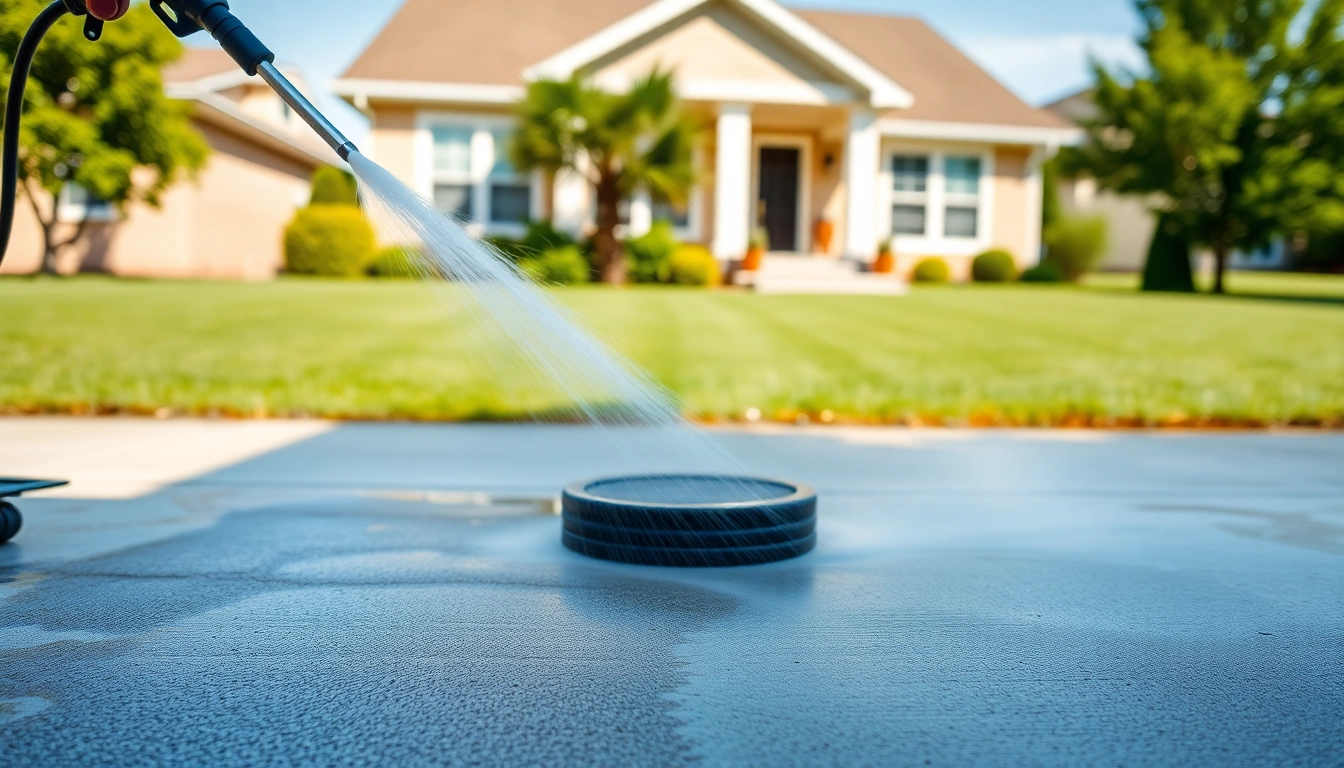
Understanding Driveway Cleaning
What is Driveway Cleaning?
Driveway cleaning refers to the process of removing dirt, stains, and unwanted debris from various types of driveways. This could involve using specialized equipment such as pressure washers, along with appropriate cleaning solutions. It's not just about aesthetics; regular cleaning helps to maintain the longevity of the surface and prevent damage caused by oils, moss, mildew, or other contributing factors. For a deeper look into driveway cleaning, let's explore its significance further.
Importance of Regular Maintenance
Regular maintenance of your driveway is crucial for several reasons. First, it enhances the visual appeal of your property, increasing its value. Second, routine cleaning can prevent long-term damage. Left unchecked, substances like oil, dirt, algae, or mold can deteriorate the material over time, leading to costly repairs. Furthermore, regular upkeep helps to prevent slips and falls, promoting safety around your home.
Common Driveway Materials
Driveways can be constructed from a variety of materials, each requiring different approaches and maintenance techniques. The most common types include:
- Concrete: Durable but susceptible to stains and mildew.
- Asphalt: More flexible than concrete but can lose its surface if not cared for regularly.
- Gravel: Easy to install and repair but requires more frequent upkeep to keep stones in place.
- Brick/Pavers: Aesthetically pleasing but vulnerable to weed growth between joints.
Preparing for Driveway Cleaning
Essential Tools and Equipment
Before embarking on driveway cleaning, it's essential to gather the right tools and equipment. Here’s a list of what you might need:
- Pressure Washer: Preferred for its effectiveness in removing stubborn stains.
- Cleaning Solutions: Choose a solution that is effective yet safe for your driveway material.
- Brushes and Brooms: For scrubbing and sweeping away debris before washing.
- Protective Gear: Gloves and goggles to keep you safe, especially when handling chemicals.
- Hoses: To rinse off the cleaning solutions after application.
Safety Precautions to Consider
Safety should always be a priority during any cleaning project. Consider the following precautions:
- Wear protective eyewear and gloves to safeguard against chemicals and debris.
- Ensure kids and pets are kept away from the cleaning area.
- Be cautious on wet surfaces to prevent slips.
- Read and follow the instructions for any cleaning solution used, and do a spot test if unsure.
Setting Up Your Work Area
Efficient cleaning begins with proper setup. Clear the area of any vehicles, furniture, or other obstructions. Sweep away loose debris with a broom and pre-treat any deep stains if necessary. Ensure you have access to an adequate water source and that your pressure washer is in good working order before starting.
Effective Driveway Cleaning Methods
Using Pressure Washers
Pressure washers can be incredibly effective in driveway cleaning, providing high-pressure streams of water to dislodge dirt and stains. Here are some tips for their use:
- Choose a pressure washer with a minimum of 3000 PSI for optimal results.
- Maintain a distance of about 12 inches from the surface to avoid damage.
- Work in sections to ensure thorough cleaning, moving in a linear pattern.
- Use a fan spray nozzle to distribute pressure evenly across larger areas.
Choosing Cleaning Solutions
The cleaning solution can greatly impact the effectiveness of your cleaning process. Consider the following types:
- Alkaline Cleaners: Effective against oil and grease stains, suitable for concrete driveways.
- Acidic Cleaners: Useful for tackling rust stains but may need neutralizing afterward to maintain material integrity.
- Eco-Friendly Products: Better for the environment and ideal for residences; check for safety certifications.
Step-by-Step Cleaning Guide
Here’s a comprehensive guide to cleaning your driveway:
- Clear the driveway of vehicles and debris.
- Sweep and pre-treat any stains with a targeted cleaning solution.
- Use a pressure washer, starting at one end of the driveway and moving systematically.
- Rinse thoroughly to remove all cleaning agents.
- Allow the driveway to dry completely before parking or walking on it.
Troubleshooting Common Issues
Removing Stubborn Stains
Stubborn stains like rust or oil can be challenging to remove. For oil stains, apply a degreaser and scrub with a stiff-bristle brush before washing. For rust, a rust remover product may be necessary. Always follow the product instructions and do a small test area first.
Dealing with Mildew and Algae
Mildew and algae thrive in damp conditions. To remove them, mix vinegar and water or use commercial mildew removers. Apply the solution, let it sit for about 10-15 minutes, scrub, and then rinse. Regular cleaning will prevent their return.
Addressing Surface Damage
If you notice surface damage after cleaning, such as pitting or crumbling, it may be due to high-pressure settings or improper technique. Adjust pressure settings, and for significant damage, consider sealing or patching the area after cleaning.
Post-Cleaning Care and Maintenance
Sealing and Protecting Your Driveway
After cleaning, applying a sealant can enhance the driveway's lifespan. It protects against stains, helps keep out moisture, and keeps the surface looking new. Follow these steps:
- Choose the right sealant based on your driveway material.
- Apply when the driveway is completely dry.
- Use a sprayer or roller for even application and allow it to cure as per instructions.
Best Practices for Regular Care
To maintain a clean and functional driveway, adopt a regular maintenance routine:
- Inspect monthly for stains or debris.
- Conduct a thorough cleaning at least twice a year.
- Promptly address any spills to prevent stains from setting.
When to Call Professionals
While DIY cleaning can be effective, consider calling professionals in the following situations:
- For complex stains you cannot remove.
- If you lack the equipment to perform an effective clean.
- When dealing with extensive damage to the driveway material.
Frequently Asked Questions
1. How much should driveway cleaning cost?
Driveway cleaning costs vary based on size and condition, typically ranging from $0.30 to $0.55 per square foot. Professional services may offer flat rates for larger areas.
2. How often should I have my driveway cleaned?
It is advisable to clean your driveway at least twice a year. However, high-traffic areas or those prone to staining may require more frequent attention.
3. Can I pressure wash my driveway myself?
Yes, pressure washing your driveway can be done safely with proper equipment and techniques. Be sure to follow safety guidelines and use the right cleaning solutions.
4. What should I do if my driveway is still dirty after cleaning?
If your driveway remains dirty, check the cleaning solution used, increase pressure if needed, or consider a different approach, such as hiring professionals who may have more powerful tools.
5. Is sealing my driveway necessary?
Sealing your driveway is highly recommended as it protects the surface from stains, UV damage, and moisture, extending its lifespan significantly.