Understanding Work Zone Safety California 2025
Work zone safety is a critical issue for both construction workers and motorists in California. With the state’s continuous infrastructure development, the need to ensure safety in work zones is more pressing than ever. In this article, we will explore the various aspects of work zone safety california 2025, delving into its significance, current regulations, and the best practices for enhancing safety in these potentially hazardous environments.
What Constitutes a Work Zone?
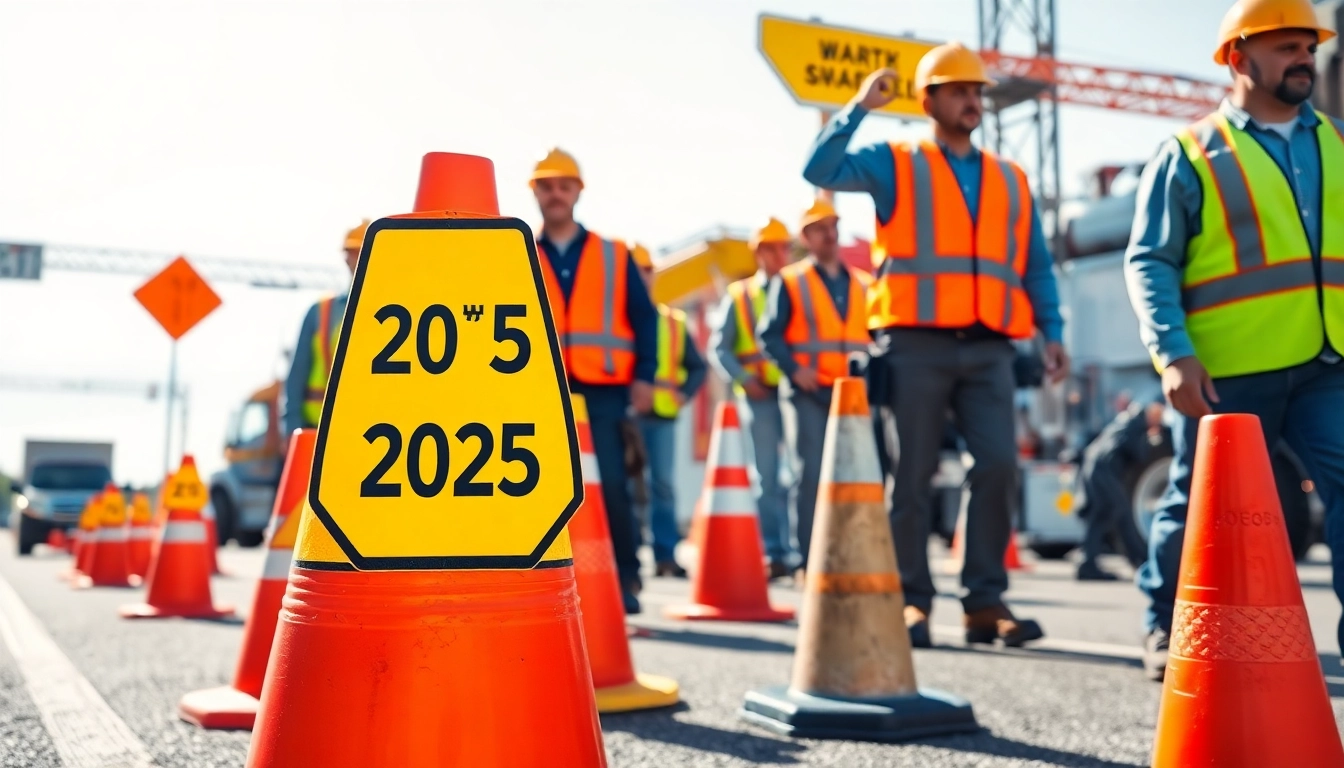
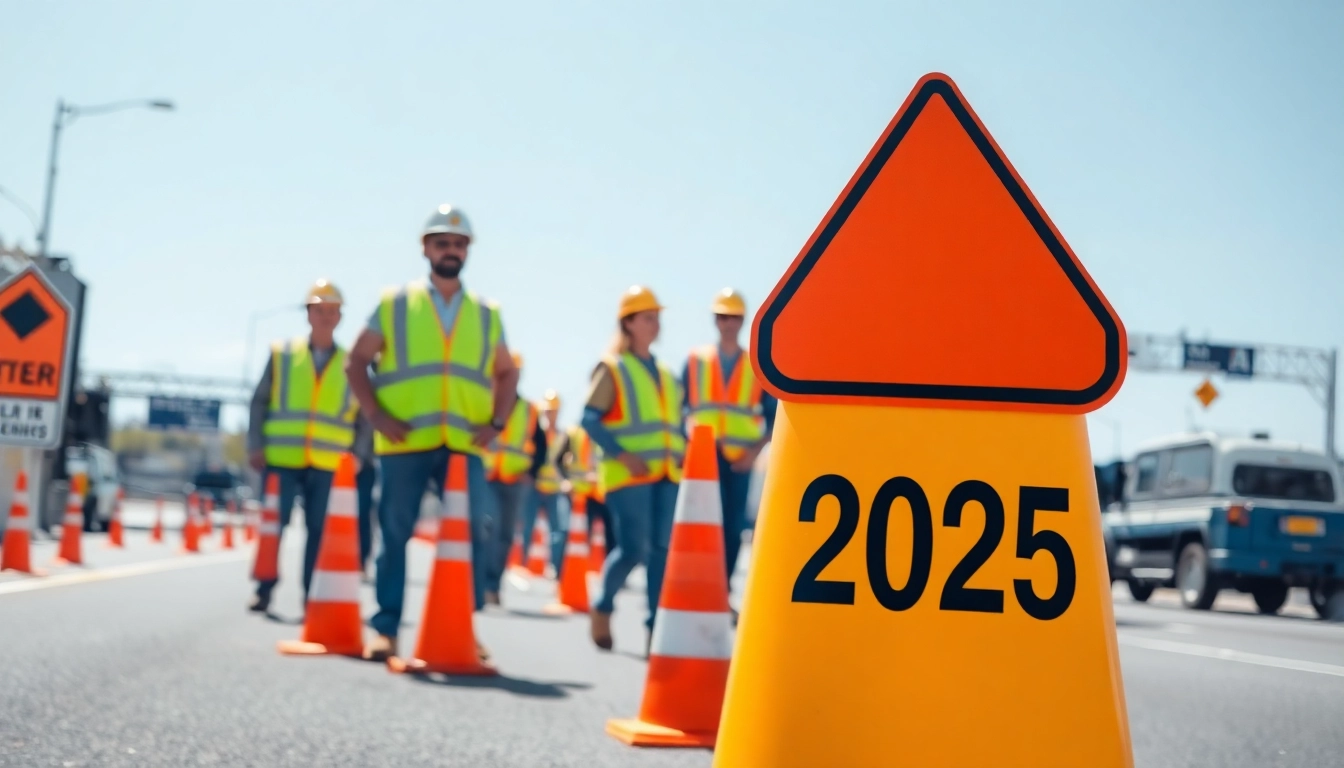
A work zone is any area where road construction, maintenance, or repairs are taking place. Defined by warning signs, cones, and barriers, work zones can appear on highways, city streets, or any roadway undergoing changes. They are essential in ensuring that infrastructure improvements occur, but they also pose risks that can be mitigated through effective safety measures.
Importance of Work Zone Safety
The significance of work zone safety cannot be overstated. These areas are inherently dangerous due to the combination of heavy machinery, changing traffic patterns, and the presence of workers on foot. Protecting both the workers and motorists is vital to preventing injuries and fatalities. Road work often leads to sudden changes in traffic flow, which requires heightened awareness from all road users.
Current Regulations and Guidelines
California has established guidelines that govern work zone safety, including the Manual on Uniform Traffic Control Devices (MUTCD) for traffic control devices and federal regulations. Compliance with these regulations ensures the proper setup of signage and barriers, reducing confusion for drivers and enhancing safety for workers. Regular audits and updates of these guidelines help in adapting to new challenges posed by urban development and increasing traffic volumes.
Key Hazards in Work Zones
Common Risks for Workers
Workers in road construction zones face numerous hazards, including:
- Heavy Machinery: The use of cranes, loaders, and paving machines can lead to serious injuries if safety protocols are not followed.
- Collisions with Vehicles: Workers are often at risk due to vehicles entering the work zone.
- Falls: Uneven surfaces, trenches, and elevated work areas pose fall risks, making proper safety gear crucial.
- Exposure to Environmental Conditions: Workers must be prepared for heat, cold, and adverse weather conditions affecting their safety and health.
Potential Dangers to Motorists
Motorists, too, face threats when navigating work zones. Potential dangers include:
- Reduced Visibility: Temporary signs and obstructions can obscure visibility, leading to confusion.
- Sudden Stops: Abrupt changes in traffic patterns can cause unexpected stops, increasing the risk of rear-end collisions.
- Speeding: Drivers may not adjust their speed adequately for work zones, which can result in accidents.
Environmental Factors Affecting Safety
Environmental factors, such as weather conditions and road surfaces, can greatly impact work zone safety. Rain, fog, snow, and icy conditions can impair visibility and traction. Additionally, night operations introduce challenges, including poor visibility and the potential for driver fatigue. Adopting adaptive measures such as reflective materials and proper lighting can help mitigate these risks.
Best Practices for Enhancing Work Zone Safety California 2025
Effective Signage and Signals
The implementation of effective signage is crucial in alerting both workers and motorists about the presence of a work zone. Signs should be clear, concise, and placed in a manner that is easily visible from a distance. Additionally, using electronic changeable-message signs can provide real-time information regarding detours, road conditions, and safety tips. This ensures that all road users are well-informed and can respond appropriately.
Worker Training and Safety Gear
Proper training for workers is essential. Regular workshops and safety drills familiarize workers with potential hazards and the necessary precautions to take. Furthermore, personal protective equipment (PPE), including hard hats, high-visibility clothing, gloves, and respiratory protection, should be mandated. This gear is vital to minimize the risk of injuries during operations.
Public Awareness Campaigns
Engaging the public through awareness campaigns can significantly enhance safety in work zones. Initiatives might involve utilizing social media, local news, and community events to educate drivers about the importance of adhering to posted signs and slowing down in work zones. Furthermore, campaigns that illustrate the human side of construction work can engender empathy among motorists, encouraging more attentive driving behaviors.
Implementing Safety Technologies
Innovative Safety Equipment and Tools
Adopting advanced safety equipment is imperative for improving work zone safety. Tools such as automatic flagging devices, crash cushions, and mobile barrier systems can substantially reduce the risks involved. These devices allow for safer traffic control while minimizing human error. Integrating technology such as LED lighting and alert systems can further enhance safety when transitioning into work zones.
Use of Drones in Monitoring
Drones have emerged as a valuable tool in work zone management. They provide aerial views that help in monitoring traffic flow, assessing risks, and detecting potential hazards in real time. By employing drones, project managers can make informed decisions regarding safety protocols and swiftly address any emerging issues, thereby optimizing operations and reducing accidents.
Advanced Traffic Management Systems
Implementing advanced traffic management systems (ATMS) allows for better monitoring and control of traffic in and around work zones. These systems utilize sensors, cameras, and software to track vehicle movements and adjust traffic signals accordingly, ensuring smoother transitions through construction areas. Additionally, real-time data collection aids in enhancing overall traffic safety strategies.
Evaluating Work Zone Safety Performance
Key Metrics for Safety Assessment
To effectively measure the success of work zone safety initiatives, key metrics should be established. This includes tracking accident rates, the frequency of near-misses, compliance with safety regulations, and conducting regular audits. Data analytics can provide insights into trends and areas needing improvement, allowing for proactive measures to enhance safety standards.
Feedback Loops and Adaptations
Creating feedback loops through worker and motorist input can lead to continual improvements in work zone safety. Implementing post-project reviews and safety surveys can help identify successful strategies and areas requiring development. By adapting protocols based on real-world feedback, safety measures can be fine-tuned for optimal effectiveness.
Success Stories and Case Studies
Highlighting success stories that showcase effective work zone safety practices can further bolster awareness and compliance. Case studies detailing the implementation of innovative safety measures and their results can serve as a guide for others. By disseminating knowledge of successful strategies, the potential for widespread adoption of effective practices increases, ultimately enhancing road safety across California.
Frequently Asked Questions
What is a work zone in road safety?
A work zone is a designated area where construction or maintenance work is taking place, requiring specific safety protocols to protect workers and motorists.
Why is work zone safety important?
Work zone safety protects workers from injuries and accidents while ensuring the safe passage of motorists, minimizing disruptions and hazards.
What are common hazards in work zones?
Common hazards include moving vehicles, heavy equipment, uneven surfaces, and sudden changes in traffic patterns, posing risks to both workers and drivers.
How can technology enhance work zone safety?
Technologies like drones for monitoring, advanced traffic management systems, and innovative safety gear can improve situational awareness and reduce accidents.
What metrics measure work zone safety effectiveness?
Key metrics include accident rates, compliance with safety regulations, feedback from workers and motorists, and the frequency of safety training sessions.