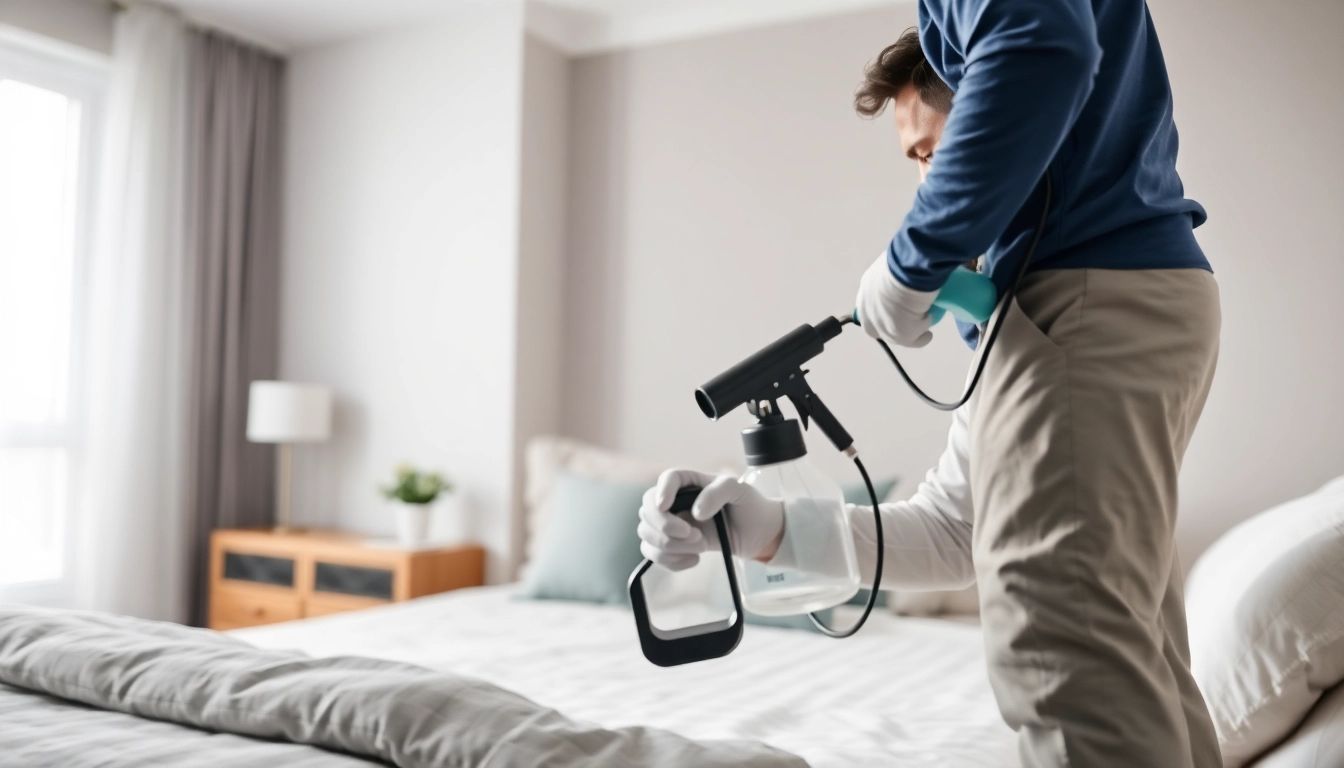
Understanding Bed Bug Infestations
What Are Bed Bugs?
Bed bugs, scientifically known as Cimex lectularius, are small, wingless insects that feed on the blood of humans and animals while they sleep. These pests are about the size of an apple seed, with a flattened, oval shape, making them adept at hiding in tiny crevices and seams. They thrive in warm environments and are often found in places where people rest, such as homes, hotels, and public transport.
Signs of an Infestation
Identifying a bed bug infestation can be challenging due to their elusive nature. Common signs include:
- Bed Bug Bites: Red, itchy welts often in clusters on the skin.
- Dark Spots: Small blood stains or fecal spots on sheets, mattresses, or walls.
- Empty Exoskeletons: Shed skins that bed bugs leave behind as they grow.
- Musty Odor: A distinctive smell caused by the bugs’ scent glands.
If you suspect a bed bug presence, it is crucial to act promptly, as infestations can escalate rapidly and complicate the bed bug removal process.
Common Myths About Bed Bugs
Misconceptions about bed bugs can hinder effective treatment and prevention. Here are a few prevalent myths:
- Myth 1: Bed bugs only live in dirty environments. Reality: Bed bugs can thrive in any setting, regardless of cleanliness.
- Myth 2: They spread diseases. Reality: While their bites can cause discomfort, they are not known to transmit diseases directly.
- Myth 3: You can get rid of them with a single treatment. Reality: Successful bed bug removal often requires multiple treatments.
Effective Bed Bug Removal Methods
DIY Techniques for Bed Bug Removal
For mild infestations, homeowners may consider DIY methods, which can be effective if executed correctly. Here are some techniques:
- Vacuuming: Thoroughly vacuum your home, focusing on mattresses, carpets, and furniture seams. Dispose of the vacuum bag immediately.
- Washing Infested Items: Wash all bedding and clothing in hot water (at least 120°F) and dry them at high heat to eliminate bed bugs.
- Diatomaceous Earth: Sprinkle food-grade diatomaceous earth in affected areas. This natural insecticide dehydrates and kills bed bugs within a few days.
- Steaming: Use a steam cleaner on mattresses, furniture, and crevices. Heat above 120°F can kill bed bugs and their eggs instantly.
While these methods can reduce bed bugs, they may not completely eradicate an infestation, and professional assistance may still be necessary.
Professional Treatment Options
When infestations are severe, professional pest control services are usually the most effective solution. They offer various treatment options tailored to the severity of the infestation:
- Insecticides: Licensed professionals use specialized products that are more effective than store-bought solutions and apply them safely.
- Heat Treatment: This method involves raising the temperature of the entire room to a lethal level for bed bugs (around 130°F to 140°F).
- Cold Treatment: In cases where heat cannot be applied, freezing infested items at 0°F for several days can eliminate bed bugs.
Professional services may involve several treatment rounds, depending on the extent of the problem. It's essential to assess the costs and process specifics upfront.
Heat vs. Chemical Treatments
When it comes to choosing a method for bed bug removal, understanding the difference between heat and chemical treatments is critical:
- Heat Treatment: Provides quick results and penetrates all areas, including hidden spots. However, it requires specialized equipment and sometimes higher costs.
- Chemical Treatment: Involves using insecticides that need detailed application and monitoring to ensure effectiveness. There may be concerns about chemical residues and potential health impacts.
Choosing the right method often depends on the severity of the infestation, budget, and personal preference regarding chemicals.
Preventing Future Infestations
Best Practices for Protection
Prevention is crucial after successfully eliminating bed bugs. Here are effective measures to reduce the risk of re-infestation:
- Seal Cracks and Crevices: Regularly check and seal any cracks in walls, flooring, or furniture.
- Regular Inspection: Frequently inspect beds, luggage, and second-hand items, especially after travel.
- Use Protective Covers: Encase mattresses and pillows with bed bug-proof covers to prevent future infestations.
Travel Tips to Avoid Bed Bugs
Travelers are particularly susceptible to bringing bed bugs back home. Implement these strategies:
- Inspect Accommodations: Check hotel rooms for signs of bed bugs before settling in.
- Keep Luggage Off the Floor: Use luggage racks instead of placing bags on the bed or floor.
- Wash Clothing Immediately: Upon returning, wash all clothing in hot water and dry immediately.
Identifying High-Risk Areas
Certain areas and situations are more prone to bed bug infestations, including:
- Shared living environments like apartments and dormitories.
- Hotels with high turnover rates or poor cleanliness reviews.
- Public transportation such as buses and subways.
Being aware of these high-risk environments allows for proactive measures to be taken.
Caring for Your Home After Treatment
Post-Treatment Cleaning Tips
After treatments, maintaining a clean environment is essential for ensuring that all bed bugs are eliminated. Recommendations include:
- Regularly vacuuming areas where bed bugs may hide.
- Cleaning and laundering bedding and clothing routinely, especially after returning from a trip.
- Continuously checking for signs of bed bugs, remaining vigilant for any resurgence.
Monitoring Strategies
Effective monitoring helps in timely detection of any returning infestation:
- Bed Bug Monitors: Install interceptors under bed posts and furniture legs.
- Visual Inspections: Conduct monthly checks in and around beds, upholstery, and baseboards.
- Stay Informed: Educate yourself and family members about bed bug behaviors and signs.
When to Call for Additional Help
If new signs reappear or existing treatments are ineffective, it may be time to consult a professional again. Indicators include:
- Recurrent bites reported by household members.
- Fresh signs of bed bug activity detected during inspections.
- Persistent blood spots or fecal matter found after treatment.
Prompt action can help contain and eliminate infestations effectively.
Frequently Asked Questions About Bed Bug Removal
How fast can bed bugs reproduce?
Bed bugs can reproduce quickly, with a female laying up to 5 eggs daily, leading to a rapid population increase if not addressed promptly.
What are some home remedies for bed bug removal?
Common home remedies include using diatomaceous earth and essential oils like tea tree or lavender, though effectiveness can vary widely among individuals.
Can bed bugs live in mattresses?
Yes, bed bugs can thrive in mattresses, hiding in seams and crevices. Regular inspections are crucial for early detection.
Are professional treatments worth it?
Professional treatments often yield quicker and more reliable results, especially for severe infestations that DIY methods may not fully manage.
What should I do before a pest control visit?
Before treatment, clear areas around beds and furniture, wash linens in hot water, and vacuum thoroughly to maximize treatment effectiveness.