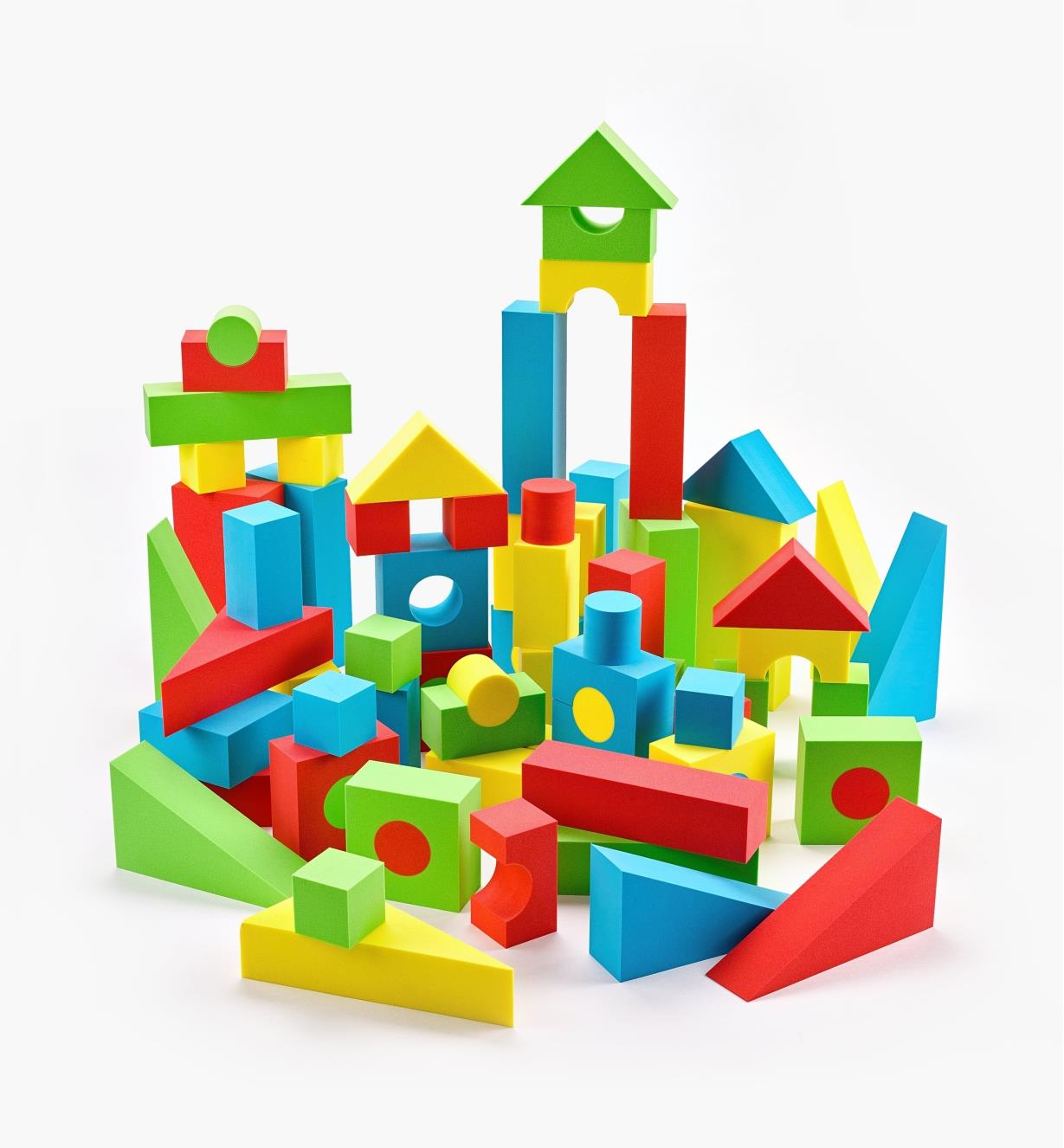
Benefits of Giant Building Blocks for Kids
Promoting Creativity and Imagination
Giant building blocks serve as a fantastic tool for sparking creativity in children. These oversized blocks enable kids to think outside the box, constructing anything from towers to imaginative landscapes. With virtually no limitations, children can explore their artistic sides through architecture and design. By experimenting with different shapes, sizes, and configurations, they learn to visualize their ideas, bringing them to life in dynamic ways. Such experiences not only stimulate imaginative play but also help to develop problem-solving skills, as children navigate the construction challenges that arise. discover more about how these blocks can become integral in developing creative minds.
Enhancing Motor Skills
Playing with giant building blocks significantly enhances children’s motor skills. Stacking, balancing, and moving these large pieces requires coordination and control, essential components in developing fine and gross motor skills. As children grasp, lift, and manipulate the blocks, they strengthen their hand-eye coordination and dexterity. This physical engagement promotes bodily awareness, helping young ones refine their movement patterns. Additionally, the act of building helps improve spatial awareness, as children learn how different shapes fit together and how to maintain balance in their creations. With consistent play, these motor skills can translate into proficiency in other physical activities as children grow.
Encouraging Social Interaction
Giant building blocks often serve as a focal point for social interaction among children. Whether they are collaborating on a shared project or engaging in friendly competitions, these activities promote teamwork and communication skills. As children share ideas and negotiate roles, they learn the importance of compromise and shared goals. In addition, these interactions cultivate emotional intelligence, as kids must learn to manage conflicts and celebrate collective achievements. Such social play can also foster friendships, contributing to healthier social development as children engage in communal activities that require cooperation and collaboration.
Top Ideas for Indoor Building Activities
Building Competitions
Hosting building competitions can transform playtime into an exciting event that captures the imagination and fosters healthy competition. Kids can be divided into teams or work individually to construct the tallest tower, most creative structure, or themed model. Setting time constraints adds an element of challenge, encouraging them to strategize and plan effectively. After the competition, an evaluation session presents an excellent opportunity for feedback and discussion about each child's approach and creative process. By reflecting on their building techniques, children gain insight into how they can improve their skills while celebrating the creativity of their peers.
Themed Building Challenges
Themed building challenges provide structured creativity that can excite young builders. Themes might include constructing a castle, spaceship, or even a city block, allowing kids to dive into a particular concept and explore it thoroughly through their building endeavors. Thematic challenges can incorporate storytelling, wherein children create narratives around their structures, enhancing their imaginative play. Such activities not only develop creativity but also stimulate critical thinking, enabling children to engage with a concept deeply and understand various perspectives as they construct their vision.
Collaborative Projects
Encouraging collaborative projects allows children to pool their thoughts and ideas, working together to create cohesive structures. This is an excellent way for kids to learn to compromise and negotiate, honing their social skills as they decide on design and execution strategies together. Projects can be as simple as constructing a small fort or as complex as building a multi-layered tower with little roads in a community setup. Collaborative endeavors often yield more intricate and imaginative results, showcasing the beauty of teamwork through interconnected ideas. Such experiences also help children appreciate differing viewpoints and build camaraderie among their peers.
Safety Considerations When Playing Indoors
Choosing Safe Building Blocks
When selecting giant building blocks, safety should always be a priority. Look for blocks made from non-toxic materials that are sturdy enough to withstand the rigors of energetic play. Additionally, inspect for smooth edges and rounded corners to minimize injury risks. Blocks should also be lightweight, reducing the likelihood of accidents if they fall or are dropped. Reading product reviews and safety certifications can further ensure that the building blocks are suitable for children, providing peace of mind to parents and guardians considering their purchase.
Creating a Safe Play Environment
Setting up a safe play environment is essential for safe indoor construction. Ensure that the play area is free from sharp edges, obstacles, and unsteady furniture that could become hazardous during play. Designate a specific space where children can build, ideally on a soft surface or carpet, to absorb any potential falls. Consider using safety mats to provide an extra layer of comfort and protection. Additionally, clear the area of small objects that could pose choking hazards, making the indoor construction zone as safe as possible.
Supervision and Guidelines
Supervising children during playtime with giant building blocks is vital to ensure their safety and provide guidance. Establishing clear guidelines about building heights and the use of blocks can help prevent injuries. For younger children, parents might set specific time limits on how long they can play at once to prevent fatigue, which can lead to careless accidents. Encouraging children to work in groups can provide an extra layer of accountability, as they look out for one another and follow the established guidelines. This combination of supervision and guidelines will ensure that the building experience remains fun and safe.
Incorporating Learning Through Play
Color Recognition and Counting
Giant building blocks can support early learning through play by teaching color recognition and basic counting skills. Children can engage in sorting activities, grouping blocks by color or size. This not only reinforces their understanding of different colors but also aids in developing organizational skills. Incorporating counting into building activities, such as counting how many blocks are used in a structure, enhances math skills and fosters numeral recognition. These activities intertwine education with play, making learning an engaging and playful process for children.
STEM Concepts in Building
Giant building blocks provide an excellent platform for introducing basic STEM (Science, Technology, Engineering, and Mathematics) concepts. As children build, they learn about gravity, balance, and structural integrity, all fundamental engineering principles. Encouraging experimentation with various designs allows children to explore hypotheses about what works best to rise higher without collapsing. Discussion surrounding these concepts can instigate curiosity about engineering, architecture, and design, which may inspire future interests or career choices. By embedding STEM concepts into play, we lay the groundwork for a more profound understanding of these vital skills.
Problem Solving Activities
Building activities present numerous opportunities for problem-solving. As children encounter construction challenges—whether a tower topples or a bridge fails—they learn to assess the situation, analyze what went wrong and identify alternative solutions. Encouraging children to think critically about building issues they face not only enhances their problem-solving capabilities but also promotes resilience as they learn through trial and error. By creating scenarios that require logical reasoning and teamwork, kids can build their confidence and develop a versatile mindset that thrives on challenges.
Frequently Asked Questions About Giant Building Blocks
What age group is best for giant building blocks?
Giant building blocks are suitable for children ages 2 and up, as they promote motor skills and creativity in various ways throughout early childhood.
How can I store these blocks effectively?
Consider using storage bins or baskets to keep giant building blocks organized. Stackable bins can save space and make it easy for children to access toys.
Are there any specific brands recommended for durability?
While many brands offer durable options, look for those that emphasize quality in their materials, ensuring they withstand rigorous play without breaking.
Can building blocks aid in educational development?
Yes! Building blocks foster creativity, improve motor skills, and introduce fundamental STEM concepts that contribute significantly to educational growth.
What safety features should I look for?
Choose blocks made of non-toxic materials with smooth edges and rounded corners. Always ensure products have safety certifications for added assurance.