Understanding the Role of Ambiance
Creating an inviting atmosphere in a restaurant goes beyond the food served; it encompasses a myriad of factors, including design, lighting, and overall ambiance. A well-crafted ambiance can enhance a customer's experience, entice them to stay longer, and ultimately encourage repeat visits. One crucial element that must be considered is the slot of the dining space, which includes how the elements within work together harmoniously.
The Importance of Lighting in Restaurants
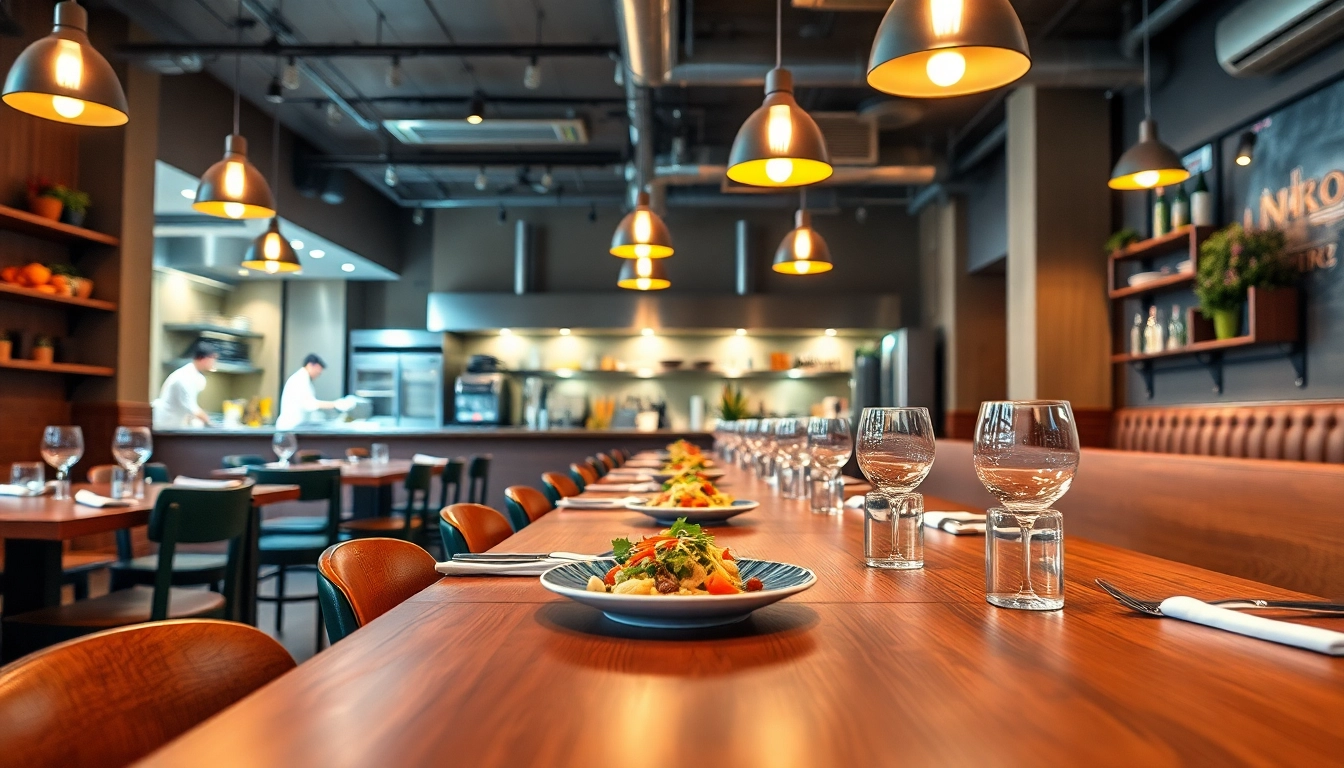
Lighting plays a pivotal role in setting the mood of a restaurant. It can transform a simple dining experience into an extraordinary one. The way a restaurant is lit can influence how food is perceived and can impact the overall emotional response from the customers. Soft, warm lighting tends to create a cozy and intimate atmosphere, which is ideal for romantic dinners, while brighter, cooler lighting can foster a lively, energetic environment suited for social gatherings. Incorporating adjustable lighting solutions allows for flexibility based on the time of day or specific events.
Color Schemes and Their Psychological Impact
The choice of color within a restaurant’s décor is not merely aesthetic; it serves significant psychological purposes. Colors can evoke emotions and influence behaviors. For example, warm colors like red and orange can stimulate appetite and energy, making them suitable for casual or fast-paced dining experiences. In contrast, cooler colors like blue and green create a sense of calm and tranquility, ideal for fine dining establishments. The strategic use of color can affect customer satisfaction and their overall experience in your restaurant.
Design Elements that Make a Difference
Design aspects such as layout, artwork, and decorative features contribute significantly to the ambiance. An open layout encourages social interaction, while a more segmented space can provide privacy for diners. Art pieces and decorations should reflect the theme of the restaurant, telling a cohesive story that resonates with customers. Elements like indoor plants can purify the air and enhance visual appeal, making the space feel more inviting. Each design component should work towards creating a memorable and engaging dining space.
Choosing the Right Furniture
Furniture selection is integral to the ambiance of a restaurant. It should cater not only to aesthetic appeal but also to functionality and comfort.
Comfort vs. Aesthetics: Finding Balance
The balance between comfort and aesthetics is vital when selecting furniture. While striking designs can catch the eye, they should not sacrifice comfort and practicality. Customers are likely to linger longer—and order more—if they are comfortable. Ergonomics plays a crucial role; well-structured chairs and tables can enhance the overall dining experience. Consider materials that are both durable and provide a pleasant tactile experience.
Unique Table Arrangements to Enhance Dining Experience
Table arrangements can significantly influence the dining experience. A thoughtful approach to layout allows for better flow and interaction among diners, which is particularly important for larger gatherings. Techniques like communal seating encourage socialization, while more intimate setups can enhance privacy. Innovative table designs, such as those that can be adjusted or combined, can cater to a wider variety of customer needs and preferences.
Impact of Seating Styles on Customer Satisfaction
Different seating styles can elicit varying degrees of comfort and satisfaction. For example, bar seating may appeal to those looking for a quick bite paired with a casual drink, while plush banquettes invite long, leisurely meals. The choice of seating can affect both the duration of the visit and the amount spent. Ensuring that the seating reflects the restaurant’s overall concept and caters to the target demographic is essential for enhancing customer satisfaction.
Menu Presentation Techniques
The design and presentation of the menu can be pivotal in influencing customers' choices, elevating their perceptions of the restaurant, and ultimately promoting sales.
Crafting a Visually Appealing Menu
A visually appealing menu can create a strong first impression. The alignment between menu design and restaurant branding should be seamless. High-quality images that highlight signature dishes can catch the eye of patrons, while organized layout facilitates easy navigation. Typography is also key; selecting fonts that resonate with the restaurant's theme can evoke the right emotions and tones.
Highlighting Signature Dishes Effectively
Prominently featuring signature dishes on the menu can direct customer choices and increase sales. This can be achieved through strategic placement at the top of the menu or in highlighted boxes. Descriptive language that conveys the taste experience—using enticing adjectives—can also persuade diners to choose these highlighted items. Consider including storytelling elements that relate to the dish's origins or preparation process, connecting customers more deeply with their dining experience.
Using Descriptive Language to Entice Customers
The power of words should not be underestimated in menu design. Using mouthwatering descriptors can evoke desire and curiosity. Instead of simply listing ingredients, crafting phrases that describe textures and flavors can significantly enhance the customers’ desire to try a dish. For instance, describing a chocolate cake as “decadent and rich with silky fudge icing” paints a more enticing picture than merely listing "chocolate cake" on the menu.
Incorporating Technology to Enhance Experience
In today’s digital age, incorporating technology into the restaurant experience can dramatically improve operational efficiency and customer satisfaction.
Digital Menus and Ordering Systems
Digital menus offer several advantages, including the ease of updating items and prices without the need for reprinting. They can also provide rich media formats, such as videos or animations, to illustrate dishes. Self-ordering kiosks can streamline the ordering process, reducing wait times and allowing customers greater control over their selections, which can enhance their overall experience.
Engaging Social Media Interactions
Social media serves as a powerful tool for engagement and marketing. Regularly posting high-quality images of dishes and behind-the-scenes content can attract potential customers and keep regulars interested. Moreover, interactive content such as polls or contests can strengthen community ties and promote loyalty. Utilizing platforms like Instagram or Facebook can enhance visibility and reach for a broader audience.
Using Apps to Improve Customer Loyalty
Loyalty apps can enhance customer experience and foster repeat business. Offering rewards for frequent visits or referrals can incentivize customers to engage more with the restaurant. Apps can also facilitate pre-ordering and delivery options, making the dining experience more convenient. Collecting data through these apps allows for personalized marketing and improved service.
Gathering Feedback for Continuous Improvement
Feedback is invaluable for restaurants striving for excellence. Establishing effective channels to gather and analyze customer opinions can lead to notable improvements in service and offerings.
Creating Effective Surveys for Customers
Surveys can be a straightforward way to gather insights into customer experiences. To increase participation, surveys should be concise, engaging, and utilize varied question formats. Offering incentives for completing surveys can further enhance response rates. Analyzing feedback helps restaurants to understand which areas excel and which need improvement.
Implementing Feedback in Design and Service
Collecting feedback is only half the battle; restaurants must act on it to drive meaningful change. Regularly analyzing survey results and online reviews helps identify patterns and areas for improvement. Implementing changes based on this feedback can lead to higher customer satisfaction and increased loyalty. Transparency in these changes also invites customers along the journey, fostering trust.
Importance of Monitoring Customer Reviews
Customer reviews on platforms such as Google and Yelp can significantly influence public perception. Monitoring these reviews allows restaurants to respond promptly to complaints, showcase positive experiences, and gather insights into areas needing attention. Engaging with customers in this digital space not only demonstrates commitment to quality service but can also enhance reputation and customer trust.
Frequently Asked Questions
What role does ambiance play in a restaurant's success?
Ambiance influences customer comfort, satisfaction, and desire to return. A well-designed environment can enhance dining experiences and encourage longer visits.
How can lighting affect customer experience?
Proper lighting creates mood. Soft lighting can promote intimacy, while brighter lights may boost energy and encourage social interaction, affecting overall satisfaction.
What is the best way to highlight menu items?
Highlighting signature dishes through strategic placement and compelling descriptors can effectively direct customer choices and boost sales.
How important is customer feedback?
Customer feedback drives continuous improvement. It offers insights into service areas that need enhancement, aligning offerings with customer preferences.
What technology tools can enhance restaurant operations?
Tools such as digital menus, self-ordering systems, and loyalty apps can streamline operations, enhance customer satisfaction, and strengthen brand engagement.