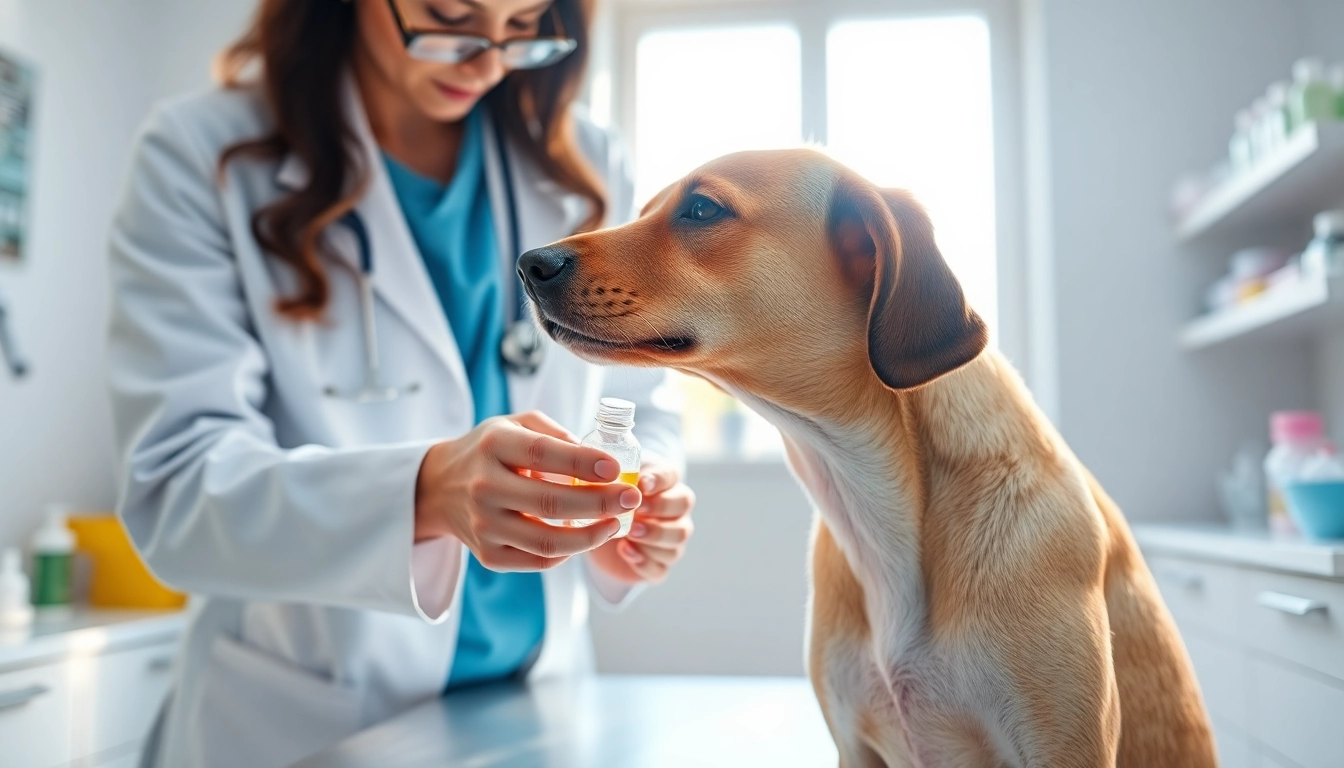
Understanding DMSO for Dogs
DMSO, or dimethyl sulfoxide, is a compound that has gained attention for its numerous therapeutic applications. Initially discovered as a solvent, DMSO has permeated the veterinary world, especially for dmso for dogs. This compound is celebrated for its anti-inflammatory and analgesic properties, making it a potential treatment option for various ailments in dogs.
What is DMSO?
DMSO is a byproduct of wood processing, primarily derived from lignin. It appears as a colorless, odorless liquid that can easily penetrate biological membranes. This characteristic makes it particularly valuable in medicine, as it allows for the efficient delivery of other medications through the skin and into the bloodstream.
How DMSO Works in Canines
In dogs, DMSO functions primarily as an anti-inflammatory agent. It works by reducing the production of inflammatory mediators within the body, decreasing pain and swelling associated with various conditions. Furthermore, DMSO has been found to enhance the absorption of other medications, acting as a carrier for topical applications.
Common Uses of DMSO for Dogs
DMSO has been applied in various clinical settings for dogs. It is commonly used for:
- Treating joint inflammation and arthritis pain
- Managing skin conditions, including wounds and dermatitis
- Reducing swelling from injuries
- Delivering medications more effectively through the skin
- Providing support in chemotherapy-related side effects
Benefits of DMSO for Dogs
Reduction of Inflammation
One of the primary benefits of using DMSO for dogs is its potent anti-inflammatory properties. It can significantly reduce inflammation in joints and soft tissues, making it a popular option for dogs suffering from arthritis or other inflammatory diseases. The reduction in inflammation not only alleviates pain but also improves mobility and quality of life for affected dogs.
Promoting Wound Healing
DMSO has been shown to accelerate the healing process of wounds. By enhancing cell permeability and improving blood circulation to the affected area, DMSO facilitates the delivery of essential nutrients and oxygen, promoting quicker healing. Its antimicrobial properties help in preventing infections in open wounds, providing an additional layer of protection.
Pain Management Solutions
For dogs enduring chronic pain, especially due to arthritis, injuries, or surgeries, DMSO offers a non-narcotic pain management solution. Its ability to penetrate deep into tissues allows it to act quickly, providing relief from acute and chronic pain without the side effects commonly associated with opioid pain relievers.
How to Administer DMSO for Dogs
Topical Application Guidelines
DMSO is primarily administered topically for dogs. It's essential to apply it properly to maximize its effectiveness:
- Clean the area thoroughly before application to remove any dirt or contaminants.
- Apply a thin layer of DMSO directly onto the affected area.
- Gently massage the area to enhance absorption.
- Wash hands after applying to avoid contact with the eyes or mucous membranes.
Dosage Recommendations
The recommended dosage of DMSO can vary based on the specific condition being treated and the dog's weight. Typically, it is suggested to apply DMSO topically every 6-12 hours. The total daily application should not exceed 20 grams. It's crucial to start with a lower dose and monitor your dog for any adverse reactions.
Precautions and Safety Measures
While DMSO is generally safe for dogs, certain precautions should be considered:
- Always consult your veterinarian before starting DMSO treatment.
- Use pharmaceutical-grade DMSO to ensure purity and avoid harmful contaminants.
- Avoid using DMSO on open wounds unless directed by a vet.
- Watch for any signs of allergic reactions, such as rash or excessive itching.
Potential Side Effects of DMSO for Dogs
Recognizing Adverse Reactions
Although infrequent, some dogs may experience side effects from DMSO, including:
- Skin irritation or redness at the application site
- Gastrointestinal upset, such as vomiting or diarrhea
- Increased thirst or urination
It’s essential to monitor your dog closely after starting DMSO to catch any adverse reactions early.
Long-term Use Considerations
Prolonged use of DMSO should be carefully evaluated by a veterinarian. Regular check-ups are recommended to assess the dog’s response to treatment and make any necessary adjustments. Some studies suggest that long-term use might lead to changes in skin texture or other unwanted effects.
Consulting Your Veterinarian
Always involve your veterinarian when considering DMSO for your dog's treatment plan. They can provide guidance tailored to your dog's specific health needs, including dosage adjustments and monitoring any side effects.
Frequently Asked Questions about DMSO for Dogs
Is DMSO safe for all dogs?
No, it's not safe for every dog. Always consult your veterinarian before use, especially for puppies, pregnant or nursing dogs.
How often can I apply DMSO on my dog?
You can typically apply DMSO every 6 to 12 hours, but consult your vet for a tailored recommendation based on your dog's condition.
Can DMSO help with arthritis in dogs?
Yes, DMSO can be effective for managing arthritis-related pain and inflammation in dogs, improving their mobility and comfort.
Will DMSO cause any side effects?
Some dogs might experience skin irritation, gastrointestinal upset, or increased thirst. Monitor your dog for any adverse effects.
Where can I buy DMSO for dogs?
You can purchase DMSO from veterinary suppliers, pet pharmacies, or online pet health stores, ensuring it is pharmaceutical-grade.