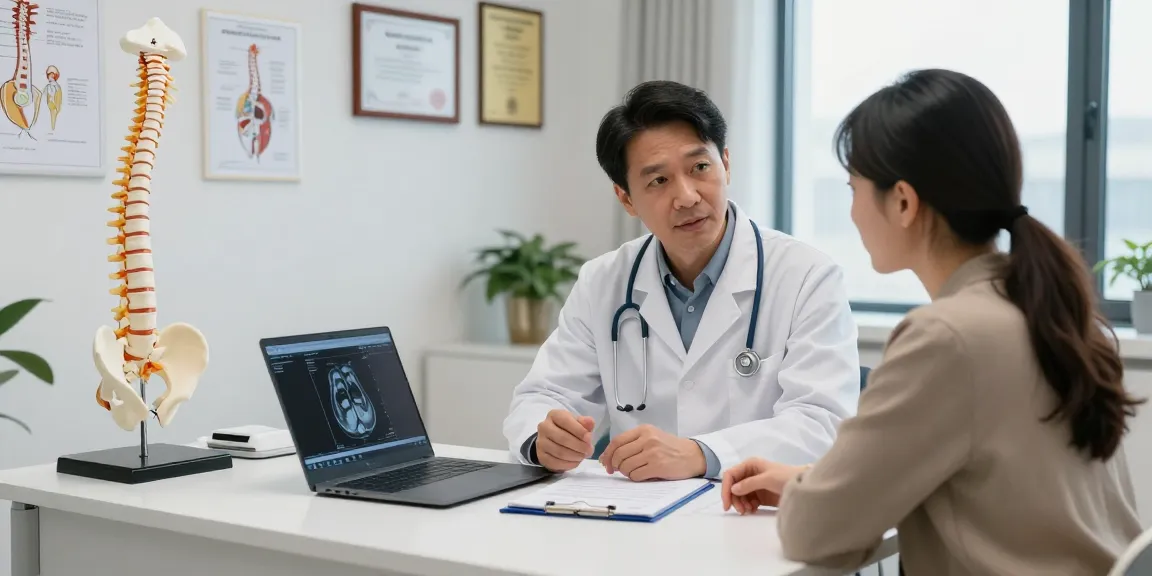
Understanding Bel Kayması Ameliyatı
Bel kayması ameliyatı, or spondylolisthesis, is a condition that occurs when one of the vertebrae in the spine slips out of place. This misalignment typically takes place in the lumbar region and can lead to significant pain, limited mobility, and nerve compression. Understanding the intricacies of this surgical intervention is crucial for those experiencing symptoms or considering treatment options. In this article, we will delve deeply into the causes, symptoms, and the necessity of surgery for bel kayması, providing a comprehensive overview that equips readers with essential information. When exploring options, Bel kayması ameliyatı provides comprehensive insights into diagnosis and treatment alternatives.
What is Bel Kayması and its Causes?
Bel kayması is a condition where a vertebra slips forward or backwards over the other vertebrae, primarily affecting the lower back. This displacement can occur due to various reasons including congenital conditions, trauma, degenerative diseases, or stress fractures. Commonly, the root causes can be categorized into:
- Congenital Defects: Some individuals are born with defects in their spine structure, resulting in instability.
- Degenerative Disc Disease: Age-related changes in the spine can cause the discs to wear down, leading to vertebral slippage.
- Trauma: Accidents or injuries can result in fractures or dislocations of the vertebrae.
- Excessive Stress: Repetitive stress from athletic activities can lead to fatigue fractures in the spine.
Symptoms Leading to Surgery
The symptoms of bel kayması can vary significantly based on the severity of the displacement. Common symptoms include:
- Severe lower back pain that may radiate to the legs.
- Muscle spasms and stiffness in the lower back.
- Numbness or weakness in the legs, which can indicate nerve compression.
- Pain that worsens with activity and improves with rest.
These symptoms can severely impact one’s quality of life, making it critical for patients to seek medical advice when they experience persistent pain or functional limitations.
The Importance of Early Diagnosis
Early diagnosis of bel kayması is essential for effective treatment. A thorough patient history, physical examination, and imaging studies such as X-rays or MRIs are crucial for confirming the diagnosis and assessing the severity of the condition. Recognizing the symptoms early can lead to non-surgical interventions such as physical therapy, medications, and lifestyle changes, potentially alleviating discomfort and delaying the need for surgery.
When Is Bel Kayması Ameliyatı Necessary?
Determining when surgery is required for bel kayması is a complex decision that depends on several factors, including the severity of the symptoms, the degree of vertebral slippage, and the effectiveness of non-surgical treatments.
Indicators for Surgical Intervention
Surgery may be indicated in cases where:
- The patient experiences significant pain that does not respond to conservative treatment.
- There is considerable nerve compression leading to weakness, numbness, or impaired mobility.
- The vertebrae have slipped significantly (usually more than 50%) and are progressively worsening.
- The patient suffers from a degenerative condition that is likely to continue without surgical correction.
Comparison with Non-Surgical Treatments
Non-surgical treatments often include physical therapy, anti-inflammatory medications, and activity modifications aimed at reducing stress on the spine. For many patients, these methods can effectively manage symptoms, particularly in cases where vertebral displacement is minimal. However, when conservative measures fail, surgery becomes a more favorable option.
Common Misconceptions about Surgery
Many patients harbor misconceptions regarding surgery for bel kayması, primarily fearing complications or perceiving it as an invasive last resort. In truth, modern surgical techniques have significantly improved success rates and recovery times. Many patients report relief from pain and enhanced mobility post-surgery.
The Surgical Procedure Explained
Bel kayması ameliyatı is typically performed through a posterior approach, involving the following steps:
Step-by-Step Overview of the Operation
- Anesthesia: General anesthesia is administered to ensure the patient is comfortable and pain-free during the procedure.
- Accessing the Spine: An incision is made in the lower back, allowing the surgeon to access the affected vertebrae.
- Realignment and Stabilization: The displaced vertebra is repositioned into its proper alignment. Surgical implants such as rods and screws may be used to stabilize the spine.
- Closure: Once stabilization is achieved, the incision is closed in layers, and the patient is taken to recovery.
Technology Used in Modern Procedures
Advancements in surgical technology, such as minimally invasive techniques and navigation systems, have revolutionized spinal surgeries. These methods typically result in less blood loss, reduced pain, and quicker recovery times for patients, making surgery a viable option even for older adults.
Post-Surgery Care and Follow-Up
Post-operative care is essential for achieving the best outcomes. Patients are usually advised on physical therapy to start within a few days of surgery to aid recovery. Regular follow-up appointments are necessary to monitor healing and adjust rehabilitation plans.
Recovery Process After Bel Kayması Ameliyatı
The recovery period after bel kayması ameliyatı varies from patient to patient but generally involves the following stages:
Typical Recovery Timeline
Most patients can expect to stay in the hospital for 1 to 3 days post-surgery, depending on the complexity of the operation. Full recovery can take anywhere from a few weeks to several months, with many patients returning to normal activities within 6 to 12 weeks.
Physical Therapy and Rehabilitation
Engaging in physical therapy is often a crucial component of recovery. A physical therapist will develop a personalized rehabilitation program that focuses on:
- Strengthening the core muscles to support the spine.
- Improving flexibility and range of motion.
- Gradually enhancing function and activity levels.
Managing Expectations and Pain
Pain management is an important aspect of recovery. Patients may experience some discomfort, which can usually be managed with prescribed medications. Setting realistic expectations about recovery time and outcomes can help patients remain positive and motivated.
Cost and Insurance Coverage for Bel Kayması Ameliyatı
The financial aspect of bel kayması ameliyatı can be daunting for many patients. Costs can vary significantly based on factors such as the hospital, the surgeon’s experience, and any complications that may arise.
Factors Affecting Surgical Costs
- Hospital Type: Surgical costs can vary between private and public hospitals.
- Surgical Complexity: More complex surgeries generally incur higher fees due to additional resources and time required.
- Healthcare Provider: The experience and reputation of the surgeon can also affect the total cost.
Insurance Options and Financial Planning
Most health insurance plans cover some aspects of spinal surgery, but it’s crucial for patients to check their specific coverage details. Discussing financial planning options with a healthcare provider or hospital financial counselor can provide clarity and ease stress related to potential costs.
Patient Resources and Assistance Programs
Many hospitals offer resources for patients facing financial challenges, such as payment plans or assistance programs. Patients should inquire about these options to minimize out-of-pocket expenses.
What are the Risks Associated with Bel Kayması Ameliyatı?
Like any surgical procedure, bel kayması ameliyatı carries risks, including:
- Infection at the surgical site.
- Bleeding or blood clots.
- Nerve damage leading to worsened symptoms.
- Issues with implant failure or misalignment.
Understanding these risks can help patients make more informed choices regarding their treatment options.
Can Bel Kayması Improve Without Surgery?
In low-grade cases without nerve compression, many patients may find relief through conservative treatments. These can include:
- Physical therapy designed to strengthen the back.
- Medications for pain management.
- Activity modifications to prevent exacerbation of symptoms.
It is essential for patients to consult with their healthcare providers to determine the most appropriate treatment plan based on their individual conditions.
What is the Long-Term Outlook after Surgery?
The long-term outlook for patients undergoing bel kayması ameliyatı is generally positive, particularly for those who adhere to post-operative care and rehabilitation protocols. For more information, Bel kayması ameliyatı offers valuable insights. Many patients experience substantial pain relief and a return to normal activities, aiding in an improved quality of life.